

Are self - lubrication roller chains suitable for high - frequency operation? That's a question I've been asked a bunch of times as a supplier of Self-lubrication Roller Chains. And it's a good one, 'cause high - frequency operation can really put a strain on chains. So, let's dig into this topic and see what we can find out.
First off, let's talk about what self - lubrication roller chains are. These chains are designed with built - in lubrication systems. Instead of having to constantly add external lubricants, they've got a special way of keeping themselves greased up. This is usually done through porous bushings or rollers that hold lubricant inside. The lubricant slowly seeps out as the chain moves, reducing friction and wear.
Now, high - frequency operation means the chain is moving back and forth or rotating at a really fast pace. Think of conveyor belts in a busy factory or machinery in a high - speed production line. In these situations, the chain is under a lot of stress. There's rapid movement, which creates heat and causes more friction between the chain's components.
One of the big advantages of self - lubrication roller chains in high - frequency operation is the consistent lubrication. In a normal chain, if you're running at high frequencies, you'd have to stop the machine regularly to add more lubricant. This not only wastes time but also disrupts the production process. With self - lubricating chains, you don't have to worry about that. The continuous supply of lubricant helps to maintain a low friction coefficient. This means less wear and tear on the chain, and it can run smoothly for longer periods without needing constant maintenance.
Another benefit is the reduction of heat. High - frequency operation generates a lot of heat due to the rapid movement and friction. Excess heat can damage the chain, causing it to stretch or even break. The self - lubricating feature helps to dissipate heat. The lubricant acts as a coolant as well as a friction reducer. It spreads over the moving parts, carrying away the heat and preventing the chain from overheating.
However, it's not all sunshine and rainbows. There are some challenges that self - lubrication roller chains might face in high - frequency operation. For instance, the lubricant inside the chain can get depleted over time. Even though it's designed to be long - lasting, the high - speed movement can cause the lubricant to be used up faster. If the lubricant runs out, the chain will start to experience increased friction, leading to more wear and a shorter lifespan.
Also, in extremely high - frequency operations, the chain might experience vibrations. These vibrations can affect the distribution of the lubricant inside the chain. If the lubricant doesn't spread evenly, some parts of the chain might not get enough lubrication, which can lead to uneven wear and potential failures.
Let's take a look at some real - world scenarios. In a food processing plant where conveyor belts are running non - stop, self - lubrication roller chains can be a great choice. The food industry has strict hygiene standards, and having a chain that doesn't require external lubrication reduces the risk of contamination. The high - frequency operation of the conveyor belts is no problem for these chains, as long as they're monitored regularly.
On the other hand, in a metal - stamping factory where the machinery operates at extremely high frequencies and generates a lot of heat and debris, self - lubrication roller chains might need some extra care. The debris can get stuck in the chain and interfere with the lubrication system. In such cases, proper cleaning and occasional checks of the lubricant level are necessary.
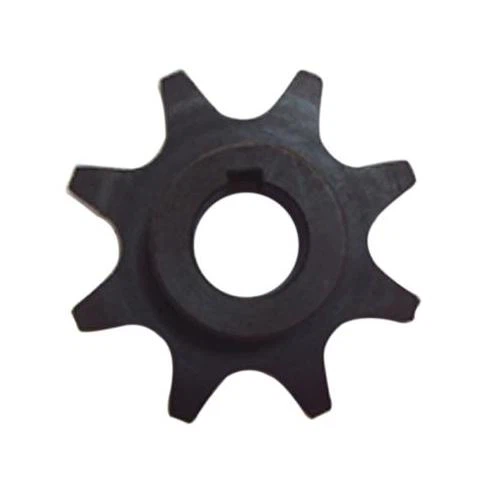

When comparing self - lubrication roller chains with other types of chains for high - frequency operation, it's important to consider the specific requirements of the application. For example, Double Pitch Conveyor Chain Sprocket is another option. Double pitch chains are often used in conveyor systems, but they might not have the same self - lubrication benefits. They usually rely on external lubrication, which can be a hassle in high - frequency operations.
Side Bow Chains are designed for specific applications where the chain needs to bend sideways. While they can be used in high - frequency operations, they also require proper lubrication. Self - lubrication roller chains, in contrast, offer a more convenient solution for many high - frequency applications.
In conclusion, self - lubrication roller chains can be very suitable for high - frequency operation. They offer the advantages of consistent lubrication, reduced heat, and less maintenance. But they're not without their challenges. It's important to understand the specific needs of your application and monitor the chain regularly.
If you're in the market for a chain for high - frequency operation, I'd highly recommend considering self - lubrication roller chains. They can save you time, money, and a lot of headaches in the long run. And if you have any questions or need more information, feel free to reach out. We're here to help you make the best choice for your business.
References
- Industry research on chain performance in high - frequency operations
- Manufacturer's specifications for self - lubrication roller chains


