

As a supplier of free flow chains, I've spent countless hours exploring the intricacies of these essential industrial components. One question that frequently arises in discussions with customers and industry peers is whether free flow chains can be recycled. In this blog, I'll delve into this topic, examining the recyclability of free flow chains, the benefits of recycling, and the processes involved.
Understanding Free Flow Chains
Before we discuss recycling, it's important to understand what free flow chains are and their common applications. Free flow chains are designed to move products smoothly and efficiently along conveyor systems. They are used in a wide range of industries, including manufacturing, distribution, and logistics, where the continuous movement of goods is crucial.
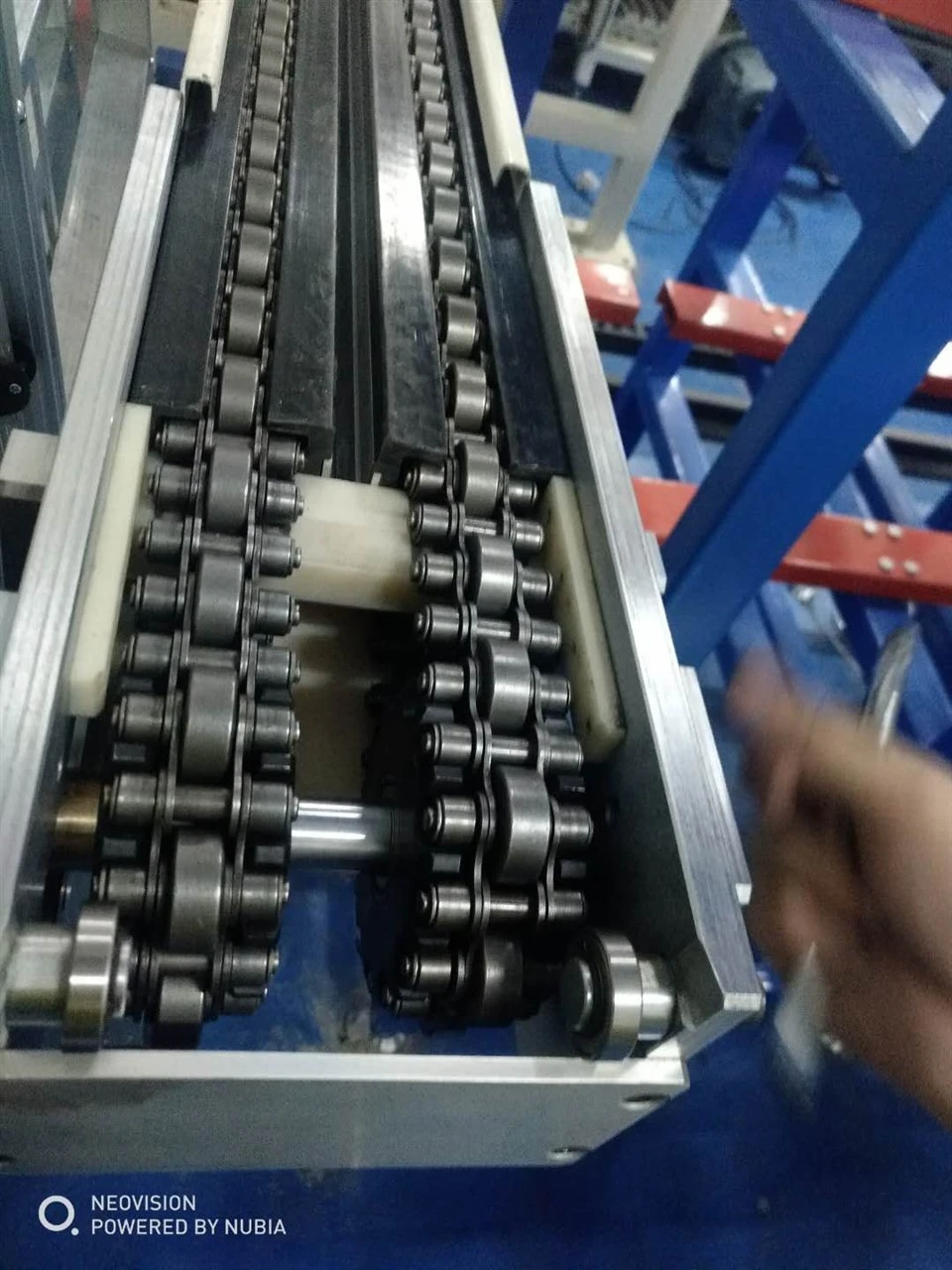
There are several types of free flow chains, each with its own unique features and applications. For instance, Short Pitch Speed - fold Chains are known for their ability to provide high - speed conveying and precise movement. Conveyor Chains with Special Rollers are designed to handle heavy loads or to operate in specific environments. And Conveyor Chains with Side Rollers are often used for lateral movement or to guide products along a conveyor path.
Are Free Flow Chains Recyclable?
The short answer is yes, most free flow chains are recyclable. The majority of free flow chains are made from metals such as steel or stainless steel. These metals are highly recyclable materials. Recycling is possible because the chemical composition of metals remains relatively stable, allowing them to be melted down and re - formed into new products without significant loss of quality or properties.
Steel, in particular, is one of the most recycled materials in the world. It can be recycled repeatedly, reducing the need for virgin materials. Stainless steel, which contains Chromium, Nickel, and other elements, also has excellent recyclability. When free flow chains reach the end of their service life, they can be collected and sent to recycling facilities.
Benefits of Recycling Free Flow Chains
Recycling free flow chains offers several significant benefits, both for the environment and for businesses.
Environmental Benefits
- Conservation of Natural Resources: By recycling free flow chains, we reduce the demand for mining and extracting new metals. Mining is a resource - intensive process that can have a significant impact on the environment, including deforestation, soil erosion, and water pollution. Recycling helps to preserve these natural resources for future generations.
- Energy Savings: Recycling metals requires less energy compared to producing new metals from raw materials. For example, recycling steel can save up to 75% of the energy needed to produce new steel. This reduction in energy consumption helps to lower greenhouse gas emissions and combat climate change.
- Waste Reduction: Recycling free flow chains diverts them from landfills, where they would take up space and potentially contribute to environmental problems. By keeping these materials in the recycling loop, we can reduce the overall waste volume and make our industrial processes more sustainable.
Economic Benefits
- Cost Savings: Recycling can be a cost - effective alternative to purchasing new free flow chains. For businesses, the cost of recycled materials is often lower than that of virgin materials. Additionally, some recycling facilities may offer incentives or compensation for the collection of used chains.
- Job Creation: The recycling industry creates jobs in collection, transportation, processing, and manufacturing. By supporting the recycling of free flow chains, we contribute to the growth of this important sector and the overall economy.
Recycling Processes for Free Flow Chains
The recycling process for free flow chains typically involves several steps:
Collection
The first step is to collect the used free flow chains. This can be done through various channels, such as direct collection from customers, partnerships with recycling brokers, or participation in industry - wide recycling programs. Our company has established an efficient collection system to ensure that used chains are properly gathered and transported to recycling facilities.
Sorting and Inspection
Once the chains are collected, they are sorted based on their material type (e.g., steel or stainless steel) and condition. Inspection is also carried out to identify any contaminated or damaged parts that may need special treatment or disposal. This step is crucial to ensure the quality of the recycled materials.
Cleaning and Preparation
The sorted chains are then cleaned to remove any dirt, grease, or other contaminants. This may involve using mechanical cleaning methods, such as abrasive blasting, or chemical cleaning agents. After cleaning, the chains are cut or broken down into smaller pieces to facilitate the melting process.
Melting and Refining
The cleaned and prepared chain pieces are fed into a furnace, where they are melted at high temperatures. During the melting process, impurities are removed, and the metal is refined to the desired specifications. This ensures that the recycled metal has the necessary quality and properties for use in new products.
Shaping and Manufacturing
The refined molten metal is then shaped into new products, such as new free flow chains or other metal components. This is typically done through casting, forging, or rolling processes. The newly manufactured products can then be sold back into the market, completing the recycling loop.
Challenges in Recycling Free Flow Chains
While the recycling of free flow chains is technically feasible and offers many benefits, there are also some challenges that need to be addressed.
Contamination
One of the main challenges is contamination. Free flow chains may be contaminated with various substances, such as oil, paint, or other chemicals, which can make the recycling process more difficult and costly. Proper cleaning and pre - treatment are necessary to remove these contaminants and ensure the quality of the recycled metal.
Identification of Materials
Another challenge is accurately identifying the material composition of the free flow chains. With the increasing variety of alloys and coatings used in chain manufacturing, it can be difficult to determine the exact type of metal and its properties. Advanced testing methods, such as spectroscopy, may be required to accurately identify the materials and ensure proper recycling.
Collection and Logistics
Efficient collection and logistics are crucial for the success of the recycling process. Ensuring that used chains are collected from a wide range of sources and transported to recycling facilities in a timely and cost - effective manner can be a complex task. This requires strong partnerships between suppliers, customers, and recycling operators.
Conclusion
In conclusion, free flow chains are indeed recyclable, and recycling offers significant environmental and economic benefits. As a supplier of free flow chains, we are committed to promoting the recycling of our products and contributing to a more sustainable future.
By understanding the recyclability of free flow chains, the benefits of recycling, and the challenges involved, we can work together with our customers and partners to develop more effective recycling solutions. Whether you are a manufacturer, distributor, or logistics provider, we encourage you to consider recycling your used free flow chains.

If you are interested in learning more about our free flow chain products or have any questions regarding the recycling process, please feel free to reach out. We are here to provide you with the best solutions for your industrial needs and support you in your sustainability efforts.
References
- World Steel Association. (2023). Steel Recycling.
- International Stainless Steel Forum. (2023). Stainless Steel Recycling.
- Environmental Protection Agency. (2023). Recycling Basics.


