

As a supplier of free flow chains, I often encounter inquiries from customers regarding the suitability of our products in high - temperature environments. This blog post aims to provide a comprehensive analysis of whether free flow chains can be used in such conditions, taking into account various factors such as material properties, design features, and potential applications.
Understanding Free Flow Chains
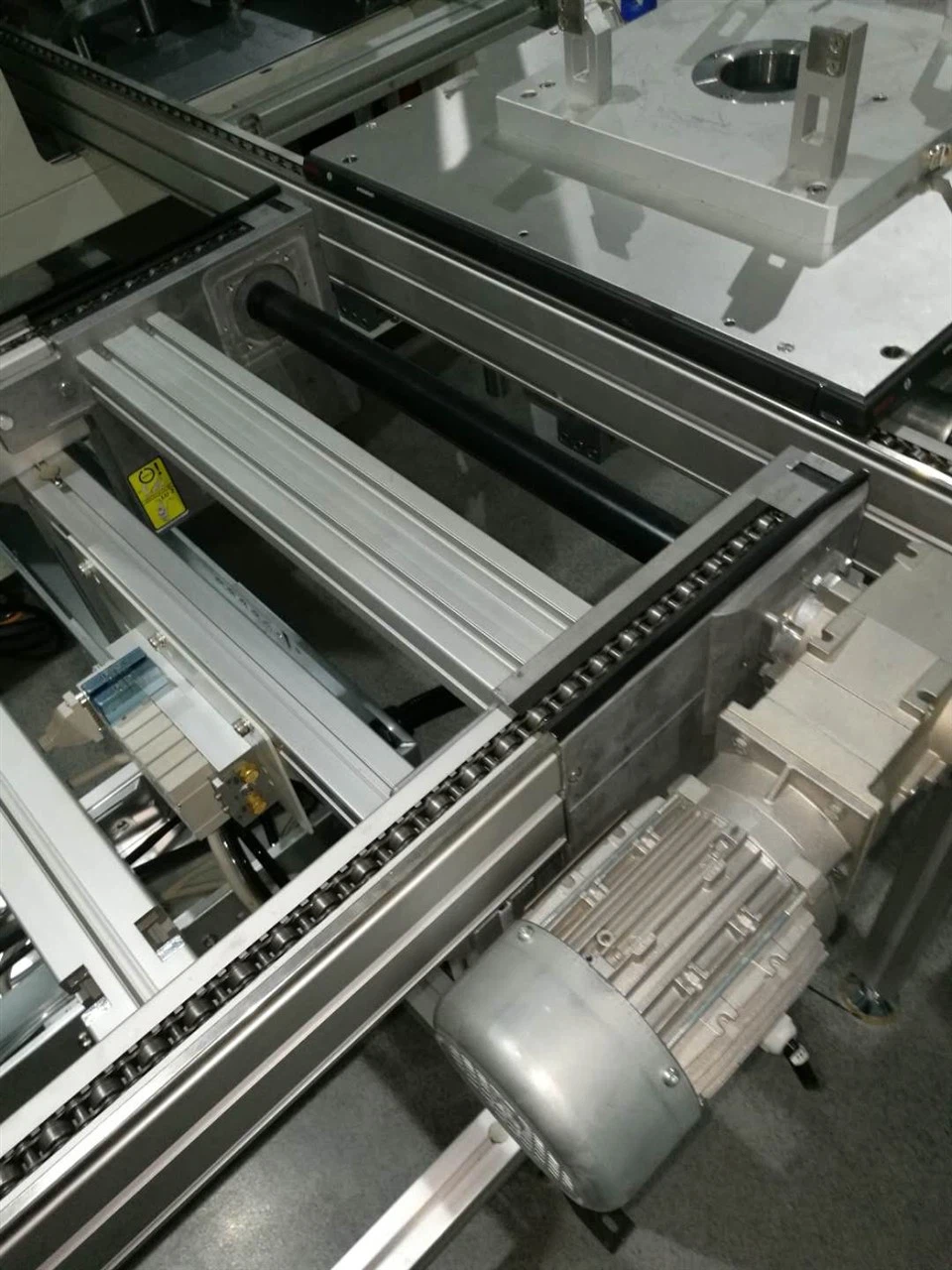
Free flow chains are a type of conveyor chain that allows for smooth and efficient movement of materials. They are commonly used in industries such as manufacturing, logistics, and warehousing. There are different types of free flow chains available, including Conveyor Chains with Top Rollers, Speed - fold Chains, and Short Pitch Speed - fold Chains. Each type has its own unique features and advantages, which make them suitable for different applications.
Material Considerations
The choice of material is crucial when determining the suitability of free flow chains for high - temperature environments. Most standard free flow chains are made from carbon steel or stainless steel. Carbon steel is a common choice due to its high strength and relatively low cost. However, it has limited resistance to high temperatures. When exposed to elevated temperatures, carbon steel can lose its strength and hardness, leading to premature wear and failure.
Stainless steel, on the other hand, offers better corrosion resistance and can withstand higher temperatures compared to carbon steel. Austenitic stainless steels, such as 304 and 316, are often used in applications where resistance to oxidation and high - temperature corrosion is required. These steels can maintain their mechanical properties at temperatures up to around 800 - 900°C, depending on the specific grade and composition.
In addition to steel, some free flow chains may be made from heat - resistant alloys. These alloys are specifically designed to maintain their strength and integrity at extremely high temperatures. For example, nickel - based alloys like Inconel can withstand temperatures up to 1000°C or more. However, these materials are more expensive than steel and may not be cost - effective for all applications.

Design Features
The design of free flow chains also plays an important role in their performance in high - temperature environments. One key consideration is the lubrication system. In normal operating conditions, free flow chains are typically lubricated to reduce friction and wear. However, at high temperatures, traditional lubricants can break down and lose their effectiveness. This can lead to increased friction, heat generation, and premature chain failure.
To address this issue, some free flow chains are designed with self - lubricating features. For example, chains with graphite or molybdenum disulfide impregnated bushings can provide lubrication even at high temperatures. These solid lubricants have a high melting point and can withstand the heat without breaking down.
Another design aspect is the chain's structure. Chains with a more open and ventilated design can allow for better heat dissipation. This helps to prevent the build - up of heat within the chain, which can reduce the risk of thermal damage. Additionally, chains with larger pin and bushing diameters can provide greater strength and resistance to wear at high temperatures.
Applications in High - Temperature Environments
There are several industries where free flow chains may be required to operate in high - temperature environments. One such industry is the automotive manufacturing. In the paint - drying ovens of automotive assembly plants, free flow chains are used to transport car bodies through the high - temperature drying process. The chains need to be able to withstand temperatures of up to 200 - 300°C for extended periods without losing their performance.
The food processing industry also has applications for free flow chains in high - temperature environments. For example, in baking ovens, chains are used to convey bread, pastries, and other baked goods. These chains need to be able to operate at temperatures ranging from 150 - 300°C while maintaining cleanliness and hygiene standards.
In the glass manufacturing industry, free flow chains are used in the annealing process. Annealing involves heating the glass to a high temperature and then slowly cooling it to relieve internal stresses. The chains used in this process need to be able to withstand temperatures of up to 600 - 700°C.
Limitations and Challenges
Despite the potential for using free flow chains in high - temperature environments, there are still some limitations and challenges. One of the main challenges is the cost. As mentioned earlier, heat - resistant materials and specialized lubrication systems can be expensive. This can make the initial investment in high - temperature free flow chains significantly higher than standard chains.
Another limitation is the reduced service life. Even with the use of heat - resistant materials, high - temperature environments can still cause accelerated wear and fatigue of the chains. This means that the chains may need to be replaced more frequently, which can increase the overall operating cost.
In addition, high - temperature environments can also pose challenges in terms of maintenance. Inspecting and lubricating the chains can be more difficult and dangerous at elevated temperatures. Special safety precautions need to be taken to ensure the well - being of maintenance personnel.
Conclusion
In conclusion, free flow chains can be used in high - temperature environments, but it depends on several factors. The choice of material, design features, and application requirements all play a crucial role in determining the suitability of the chains. While standard carbon steel chains may not be suitable for high - temperature applications, stainless steel and heat - resistant alloys offer better performance.
If you are considering using free flow chains in a high - temperature environment, it is important to consult with a professional supplier. We, as a free flow chain supplier, have extensive experience in providing solutions for various applications. Our team of experts can help you select the right chain material, design, and lubrication system based on your specific requirements.
If you have any questions or would like to discuss your free flow chain needs for high - temperature applications, please feel free to contact us for a detailed consultation. We look forward to working with you to find the best solution for your business.
References
- ASM Handbook Volume 2: Properties and Selection: Nonferrous Alloys and Special - Purpose Materials. ASM International.
- "High - Temperature Materials and Their Applications" by R. A. Rapp.
- Technical literature from free flow chain manufacturers.


