

As a supplier of Speed-fold Chains, I understand the critical role that proper chain tension plays in the performance and longevity of these essential components. Incorrect tension can lead to a host of problems, including premature wear, reduced efficiency, and even system failures. In this blog post, I'll share some valuable insights on how to adjust the tension of Speed-fold Chains effectively.
Understanding the Importance of Proper Tension
Before delving into the adjustment process, it's crucial to understand why maintaining the right tension is so important. When a chain is too loose, it can cause excessive vibration, which may lead to chain derailment, increased noise, and accelerated wear on the sprockets and chain links. On the other hand, if the chain is too tight, it can put unnecessary stress on the chain, sprockets, and other components, leading to premature failure and increased energy consumption.
Proper tension ensures smooth and efficient operation of the conveyor system, reduces the risk of downtime, and extends the service life of the chain and related components. It also helps to maintain consistent product flow and minimizes the potential for product damage.
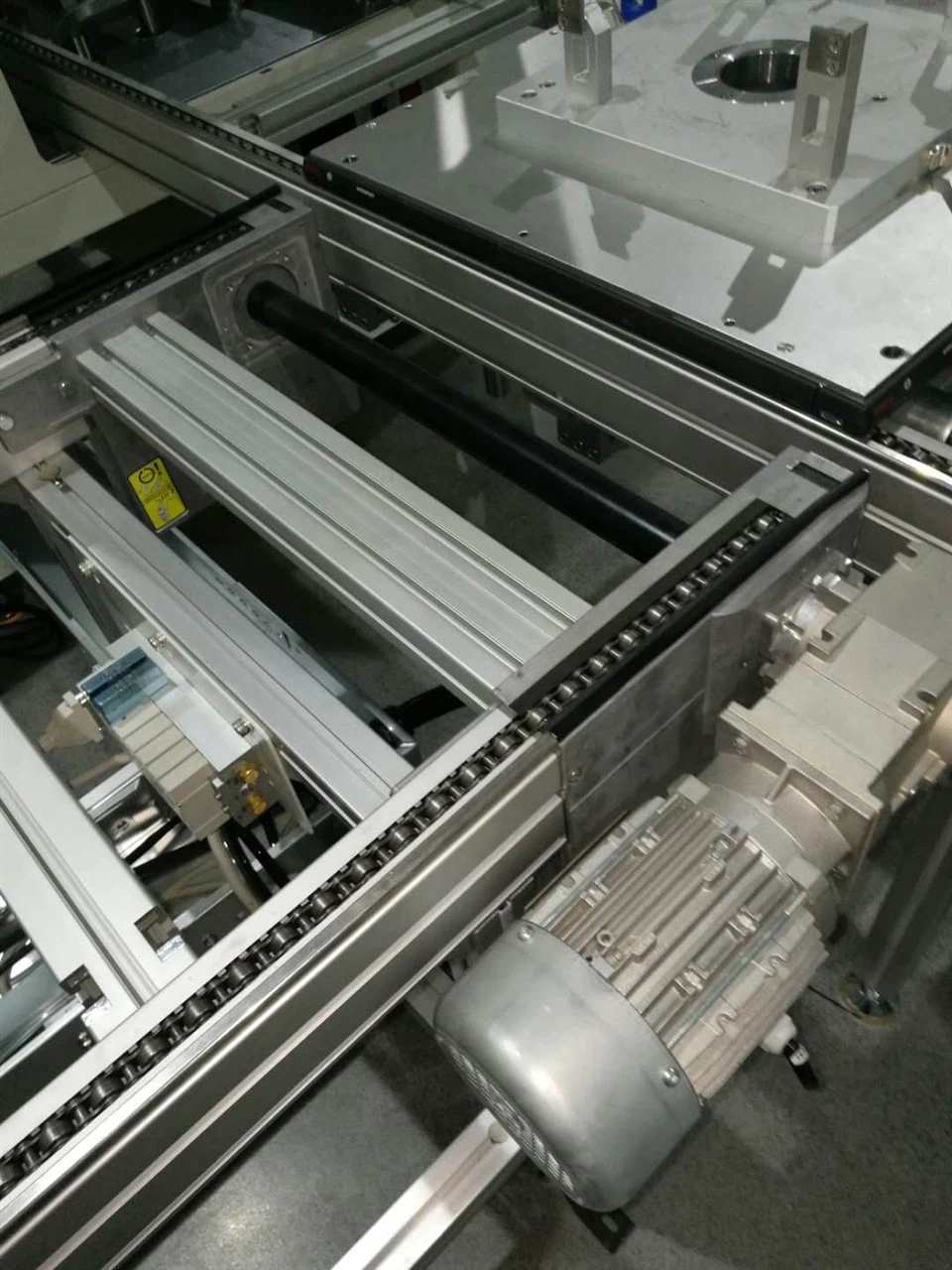

Tools Required for Tension Adjustment
To adjust the tension of Speed-fold Chains, you'll need a few basic tools:
- Chain tension gauge: This tool is used to measure the tension of the chain accurately. It provides a numerical value that indicates whether the chain is too loose, too tight, or within the recommended range.
- Wrenches: You'll need a set of wrenches to loosen and tighten the bolts that secure the chain tensioning device.
- Safety equipment: Always wear appropriate safety gear, such as gloves and safety glasses, when working with chains and machinery.
Step-by-Step Guide to Adjusting Chain Tension
The following steps outline the general process for adjusting the tension of Speed-fold Chains:
- Stop the conveyor system: Before making any adjustments, ensure that the conveyor system is turned off and locked out to prevent accidental startup.
- Locate the tensioning device: Most conveyor systems are equipped with a tensioning device, such as a take-up unit or an adjustable idler sprocket. Locate this device and identify the bolts or nuts that need to be adjusted.
- Measure the current tension: Use a chain tension gauge to measure the tension of the chain at a specific point, typically midway between two sprockets. Refer to the manufacturer's specifications for the recommended tension range for your particular chain.
- Loosen the tensioning device: Use a wrench to loosen the bolts or nuts that secure the tensioning device. This will allow you to adjust the position of the device and change the tension of the chain.
- Adjust the tension: Depending on whether the chain is too loose or too tight, you'll need to either increase or decrease the tension. To increase the tension, move the tensioning device in the direction that tightens the chain. To decrease the tension, move the device in the opposite direction.
- Re-measure the tension: After making the adjustment, use the chain tension gauge to re-measure the tension of the chain. Check to ensure that the tension is within the recommended range.
- Tighten the tensioning device: Once the tension is correct, use a wrench to tighten the bolts or nuts that secure the tensioning device. Make sure that the device is firmly in place and that there is no play or movement.
- Inspect the chain and sprockets: After adjusting the tension, visually inspect the chain and sprockets for any signs of wear, damage, or misalignment. Replace any worn or damaged components as needed.
- Test the conveyor system: Once the adjustment is complete, turn on the conveyor system and observe its operation. Check for any unusual noises, vibrations, or signs of chain slippage. If you notice any problems, stop the system immediately and make further adjustments.
Tips for Maintaining Proper Chain Tension
In addition to regular tension adjustments, there are several other steps you can take to maintain proper chain tension and ensure the optimal performance of your Speed-fold Chains:
- Follow the manufacturer's recommendations: Always refer to the manufacturer's specifications and guidelines for the proper installation, operation, and maintenance of your chains. This includes recommended tension ranges, lubrication requirements, and inspection intervals.
- Inspect the chain regularly: Conduct regular visual inspections of the chain to check for signs of wear, damage, or misalignment. Look for worn or damaged links, stretched chains, and loose or missing pins. Replace any worn or damaged components as soon as possible.
- Lubricate the chain properly: Proper lubrication is essential for reducing friction and wear on the chain and sprockets. Use a high-quality chain lubricant recommended by the manufacturer and apply it at the recommended intervals.
- Keep the chain clean: Dirt, debris, and other contaminants can accumulate on the chain and cause premature wear. Regularly clean the chain to remove any dirt or debris and prevent it from entering the chain links.
- Train your employees: Ensure that your employees are properly trained on the safe operation and maintenance of your conveyor systems. This includes how to adjust chain tension, how to inspect the chain for wear and damage, and how to lubricate the chain properly.
Conclusion
Proper tension adjustment is essential for the optimal performance and longevity of Speed-fold Chains. By following the steps outlined in this blog post and implementing the tips for maintaining proper chain tension, you can ensure that your chains operate smoothly and efficiently, reduce the risk of downtime, and extend the service life of your conveyor system.
If you have any questions or need further assistance with adjusting the tension of your Speed-fold Chains, please don't hesitate to contact us. We're here to help you get the most out of your chains and ensure the success of your operations.
For more information about our Speed-fold Chains, Conveyor Chains with Special Rollers, and Conveyor Chains with Side Rollers, please visit our website or contact us to discuss your specific requirements. We look forward to the opportunity to work with you and provide you with the highest quality chains and service.
References
- Manufacturer's specifications and guidelines for Speed-fold Chains
- Industry best practices for chain tension adjustment and maintenance


