

Determining the right pitch for Speed-fold Chains is a crucial decision that can significantly impact the performance and efficiency of your conveyor system. As a trusted Speed-fold Chains supplier, I understand the complexities involved in this process and am here to guide you through the key considerations.
Understanding Speed-fold Chains
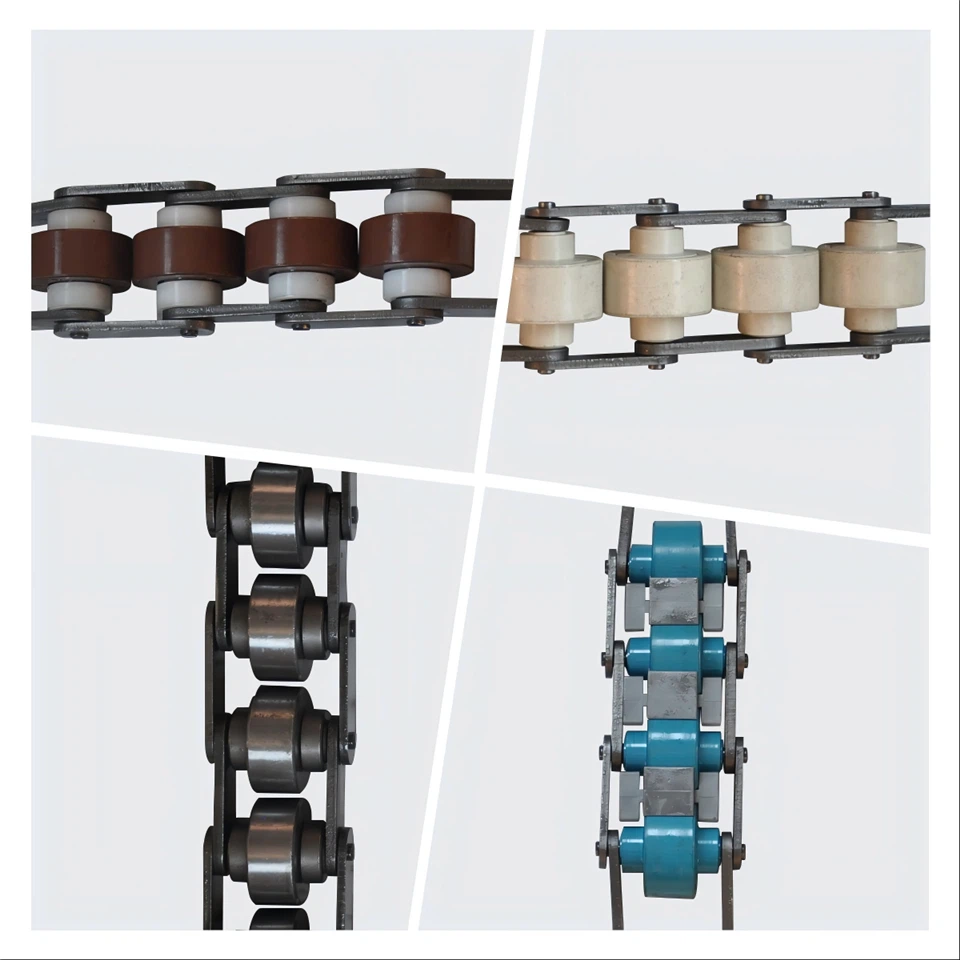
Speed-fold Chains, available at Speed-fold Chains, are designed for high-speed conveyor applications where smooth operation and reliable performance are essential. These chains are known for their ability to handle heavy loads while maintaining a consistent speed, making them ideal for industries such as automotive, food processing, and packaging.
Importance of Pitch in Speed-fold Chains
The pitch of a chain refers to the distance between the centers of two consecutive pins. It is a fundamental parameter that affects the chain's performance, including its speed, load capacity, and compatibility with sprockets. Choosing the right pitch is crucial to ensure optimal performance and longevity of your conveyor system.
Factors to Consider When Determining the Right Pitch
1. Conveyor Speed
The speed of your conveyor system is one of the most important factors to consider when choosing the pitch of your Speed-fold Chains. Higher conveyor speeds generally require a shorter pitch chain to maintain smooth operation and reduce the risk of chain skipping or derailment. On the other hand, lower conveyor speeds may allow for a longer pitch chain, which can reduce the overall cost of the system.
2. Load Capacity
The load capacity of your conveyor system is another critical factor to consider. Heavier loads require a chain with a higher load capacity, which may be achieved by using a chain with a larger pitch. However, it is important to note that increasing the pitch also increases the weight and cost of the chain, so a balance must be struck between load capacity and cost.

3. Sprocket Compatibility
The pitch of your chain must be compatible with the sprockets used in your conveyor system. Sprockets are designed to match specific chain pitches, and using a chain with the wrong pitch can lead to premature wear and failure of both the chain and the sprockets. It is important to consult the manufacturer's specifications or a qualified engineer to ensure proper sprocket selection.
4. Conveyor Layout
The layout of your conveyor system, including the number of curves, inclines, and declines, can also affect the choice of chain pitch. Curved sections of the conveyor require a chain with a smaller pitch to ensure smooth operation and reduce the risk of chain binding. Inclined or declined sections may require a chain with a higher load capacity to handle the additional weight of the load.
5. Maintenance Requirements
The maintenance requirements of your conveyor system should also be considered when choosing the pitch of your Speed-fold Chains. Chains with a smaller pitch generally require more frequent lubrication and maintenance to ensure smooth operation and prevent premature wear. On the other hand, chains with a larger pitch may require less frequent maintenance but may be more difficult to install and replace.
Types of Speed-fold Chains and Their Pitches
1. Short Pitch Speed-fold Chains
Short Pitch Speed-fold Chains are designed for high-speed conveyor applications where smooth operation and precise positioning are essential. These chains typically have a pitch of 1/2 inch or less and are suitable for use in applications such as packaging, electronics, and automotive assembly.
2. Standard Pitch Speed-fold Chains
Standard Pitch Speed-fold Chains are the most commonly used type of chain in conveyor systems. These chains typically have a pitch of 3/4 inch to 1-1/2 inches and are suitable for a wide range of applications, including food processing, material handling, and general manufacturing.
3. Long Pitch Speed-fold Chains
Long Pitch Speed-fold Chains are designed for applications where a lower cost and higher load capacity are required. These chains typically have a pitch of 2 inches or more and are suitable for use in applications such as mining, agriculture, and heavy-duty manufacturing.
How to Determine the Right Pitch for Your Application
1. Consult with a Professional
The best way to determine the right pitch for your Speed-fold Chains is to consult with a professional engineer or a knowledgeable supplier. They can help you evaluate your specific application requirements and recommend the most suitable chain pitch based on factors such as conveyor speed, load capacity, sprocket compatibility, and conveyor layout.
2. Consider the Total Cost of Ownership
When choosing the pitch of your Speed-fold Chains, it is important to consider the total cost of ownership, including the initial purchase price, installation costs, maintenance costs, and replacement costs. While a shorter pitch chain may be more expensive upfront, it may offer lower maintenance costs and a longer service life, resulting in a lower total cost of ownership over the long term.
3. Test the Chain in Your Application
Before making a final decision, it is recommended to test the chain in your specific application to ensure that it meets your performance requirements. This can help you identify any potential issues or limitations and make any necessary adjustments before installing the chain in your conveyor system.
Conclusion
Determining the right pitch for Speed-fold Chains is a critical decision that can significantly impact the performance and efficiency of your conveyor system. By considering factors such as conveyor speed, load capacity, sprocket compatibility, conveyor layout, and maintenance requirements, you can choose the most suitable chain pitch for your application. As a trusted Speed-fold Chains supplier, I am committed to providing you with the highest quality products and expert advice to help you make the right decision. If you have any questions or need further assistance, please do not hesitate to contact me for a consultation. We are here to support you in finding the perfect solution for your conveyor needs and look forward to discussing your requirements for a successful procurement.
References
- Conveyor Chain Handbook, Chain Manufacturer's Association
- Industrial Conveyor Systems: Selection, Design, and Operation, John A. Brundage


