

In the industrial machinery sector, toothed chains play a crucial role in power transmission and motion control. As a toothed chain supplier, I've witnessed firsthand the diverse landscape of products offered by different manufacturers. Understanding the differences between these products is essential for businesses looking to make informed decisions when selecting the right toothed chain for their specific applications.
Design and Manufacturing Quality
One of the primary differences between products from various toothed chain manufacturers lies in their design and manufacturing quality. High - end manufacturers invest heavily in research and development to create innovative designs that optimize performance. For instance, some manufacturers use advanced computer - aided design (CAD) software to model toothed chains with precise tooth profiles. These profiles are designed to ensure smooth engagement and disengagement with sprockets, reducing noise and wear.
On the other hand, less - established manufacturers may rely on more traditional design methods, which might result in less precise tooth geometries. This can lead to increased friction during operation, causing premature wear of both the chain and the sprockets. In terms of manufacturing, top - tier companies often have state - of - the - art production facilities equipped with automated machinery. These machines can produce toothed chains with high levels of consistency and accuracy. They also adhere to strict quality control standards at every stage of the manufacturing process, from material selection to the final inspection.
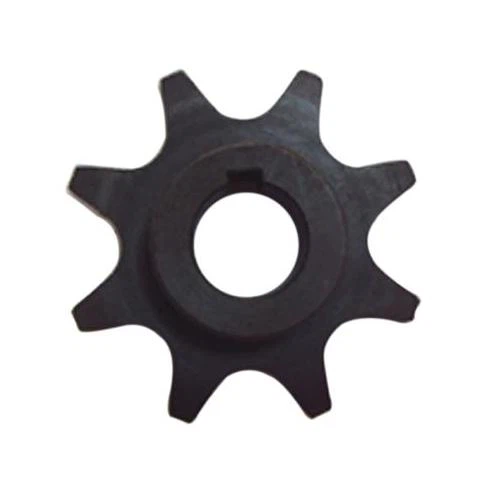

In contrast, some manufacturers may cut corners to reduce costs. They might use lower - grade materials or have less rigorous quality control procedures. This can lead to chains that are more prone to breakage, elongation, and other performance issues over time.
Material Selection
The choice of materials is another significant factor that differentiates toothed chain products. High - quality manufacturers typically use premium materials such as alloy steels with specific heat - treatment processes. Alloy steels offer excellent strength, toughness, and wear resistance, making them ideal for high - load and high - speed applications. For example, some chains are made from chrome - molybdenum alloy steel, which can withstand extreme stress and has good corrosion resistance.
In comparison, some manufacturers may use standard carbon steels or lower - grade alloys. These materials may be less expensive, but they also have lower mechanical properties. Chains made from these materials may not perform as well in demanding environments and may require more frequent replacement.
Moreover, the surface treatment of the chains can vary among manufacturers. Some apply advanced coatings such as nickel plating or black oxide treatment to enhance corrosion resistance. Others may skip these treatments to save costs, leaving the chains more vulnerable to rust and corrosion, especially in humid or corrosive environments.
Performance and Application Suitability
Different toothed chain manufacturers design their products with specific applications in mind. Some focus on high - speed applications, such as in the automotive or aerospace industries. Chains for these applications are engineered to have low inertia and high - precision tooth profiles to ensure smooth and efficient power transmission at high rotational speeds.
Other manufacturers may specialize in heavy - duty applications, like in mining or construction equipment. These chains are designed to handle large loads and harsh operating conditions. They often have larger pitch sizes and thicker components to provide the necessary strength and durability.
For example, if you are looking for a chain for a high - speed conveyor system, you would want a chain with a precise pitch and smooth - running characteristics. On the other hand, for a heavy - duty winch in a mining operation, you need a chain that can withstand high tensile forces and abrasion.
It's also important to note that some manufacturers offer a wider range of product sizes and configurations. This allows customers to find a more customized solution for their specific needs. In contrast, smaller manufacturers may have a more limited product portfolio, which could restrict the options available for certain applications.
Pricing and Value for Money
Pricing is an obvious difference between products of different toothed chain manufacturers. Generally, high - quality chains from well - known manufacturers come with a higher price tag. This is due to the cost of research, development, premium materials, and strict quality control. However, these chains often offer better long - term value. They have a longer service life, require less maintenance, and can improve the overall efficiency of the machinery they are used in.
Lower - priced chains from some manufacturers may seem attractive at first glance. But they may end up costing more in the long run due to frequent replacements, increased downtime for maintenance, and potential damage to other components in the system. When evaluating the value for money, it's important to consider not just the initial purchase price but also the total cost of ownership over the chain's lifespan.
After - Sales Service and Support
The level of after - sales service and support can vary significantly among toothed chain manufacturers. Reputable manufacturers usually have a dedicated customer service team that can provide technical assistance, answer questions about product selection and installation, and offer troubleshooting advice. They may also have a network of distributors and service centers that can quickly provide replacement parts when needed.
Some manufacturers may offer warranties on their products, which can give customers peace of mind. In contrast, less - reliable manufacturers may have poor customer service or no warranty at all. This can be a major drawback, especially if problems arise with the chains after purchase.
Comparison with Related Chain Products
When considering toothed chains, it's also useful to compare them with other types of chains. For example, Short Pitch Precision Roller Chains are another popular option for power transmission. Roller chains are known for their simplicity and wide range of applications. They are often used in general - purpose machinery, such as conveyors and agricultural equipment. However, toothed chains offer better performance in terms of precision and quiet operation, especially at high speeds.
Double Pitch Conveyor Chain Sprocket is commonly used in conveyor systems. Double - pitch chains have a larger pitch than standard chains, which makes them suitable for slower - moving conveyors with longer center distances. Toothed chains, on the other hand, are more suitable for applications that require accurate power transmission and synchronization.
Side Bow Chains are designed for applications where the chain needs to bend sideways. They are often used in conveyors with curved paths. Toothed chains are not typically used for this type of application, as their design is more focused on straight - line power transmission.
Conclusion
In conclusion, there are numerous differences between products of different toothed chain manufacturers. These differences span from design and manufacturing quality, material selection, performance and application suitability, pricing, to after - sales service. As a toothed chain supplier, I understand the importance of helping customers make the right choice.
When you are in the market for toothed chains, it's crucial to carefully evaluate your specific requirements, consider the reputation of the manufacturer, and assess the long - term value of the product. Whether you need a chain for a high - speed, high - precision application or a heavy - duty, rugged environment, there is a toothed chain out there that can meet your needs.
If you are interested in learning more about our toothed chain products or have any questions regarding product selection for your specific application, please feel free to reach out. We are here to provide you with the best solutions and support for your power - transmission needs.
References
- "Industrial Chain Handbook" - A comprehensive guide on different types of industrial chains and their applications.
- Technical papers from leading chain manufacturers on toothed chain design and performance.


