

Driving chains are essential components in various industrial and mechanical applications, powering everything from conveyor systems to automotive engines. As a driving chains supplier, I am acutely aware of the importance of understanding the environmental impacts associated with these products. In this blog post, I will delve into the environmental implications of driving chains, exploring both the negative and positive aspects, and discuss how we can mitigate the adverse effects.
Negative Environmental Impacts of Driving Chains
Raw Material Extraction and Production
The production of driving chains begins with the extraction of raw materials, primarily steel. Steel production is an energy-intensive process that contributes significantly to greenhouse gas emissions. The mining of iron ore, the primary ingredient in steel, involves large-scale excavation, which can lead to habitat destruction, soil erosion, and water pollution. Additionally, the smelting and refining processes require vast amounts of energy, mostly derived from fossil fuels, further exacerbating the carbon footprint.
Lubrication and Maintenance
Driving chains require regular lubrication to reduce friction and wear, ensuring smooth operation and extending their lifespan. However, many traditional lubricants are petroleum-based, which are non-renewable resources and can have significant environmental impacts. When these lubricants leak or are disposed of improperly, they can contaminate soil and water sources, posing a threat to ecosystems and human health. Moreover, the production and transportation of lubricants also contribute to greenhouse gas emissions.
End-of-Life Disposal
At the end of their useful life, driving chains often end up in landfills. If not properly recycled, these chains can take up valuable space and contribute to the accumulation of waste. Additionally, the metals in the chains may leach into the soil over time, potentially causing soil and water pollution.
Positive Environmental Impacts of Driving Chains
Energy Efficiency
Despite the environmental challenges associated with their production, driving chains can contribute to energy efficiency in various applications. Compared to other power transmission systems, such as belts, chains can transmit power more efficiently, resulting in less energy loss. This means that machines and equipment powered by driving chains can operate with lower energy consumption, reducing greenhouse gas emissions over the long term.
Durability and Longevity
Driving chains are known for their durability and long service life. When properly maintained, they can withstand high loads and harsh operating conditions, reducing the need for frequent replacements. This not only saves resources but also reduces the environmental impact associated with the production and disposal of new chains.
Recyclability
Most driving chains are made of steel, which is one of the most recycled materials in the world. Recycling steel requires significantly less energy compared to producing new steel from raw materials, making it an environmentally friendly option. By promoting the recycling of end-of-life driving chains, we can conserve natural resources and reduce the carbon footprint of the chain industry.

Mitigating the Environmental Impacts of Driving Chains
Sustainable Raw Material Sourcing
As a driving chains supplier, we can play a crucial role in promoting sustainable raw material sourcing. By partnering with suppliers who adhere to responsible mining practices and use renewable energy sources in their production processes, we can reduce the environmental impact of our products from the very beginning.
Environmentally Friendly Lubricants
To address the issue of lubricant pollution, we can encourage the use of environmentally friendly lubricants. These lubricants are often biodegradable and made from renewable resources, reducing their impact on the environment. Additionally, we can provide training and support to our customers on proper lubrication techniques to minimize waste and leakage.
Recycling and Reuse Programs
Implementing recycling and reuse programs for end-of-life driving chains is another effective way to reduce their environmental impact. We can work with recycling facilities to ensure that chains are properly recycled and the materials are reused in the production of new products. Additionally, we can explore opportunities to refurbish and reuse chains that are still in good condition, extending their service life and reducing waste.
Product Innovation
Investing in product innovation is essential for reducing the environmental impact of driving chains. For example, we can develop chains with improved energy efficiency, reduced friction, and longer service life. We can also explore the use of alternative materials and manufacturing processes that are more sustainable and environmentally friendly.
Our Product Offerings
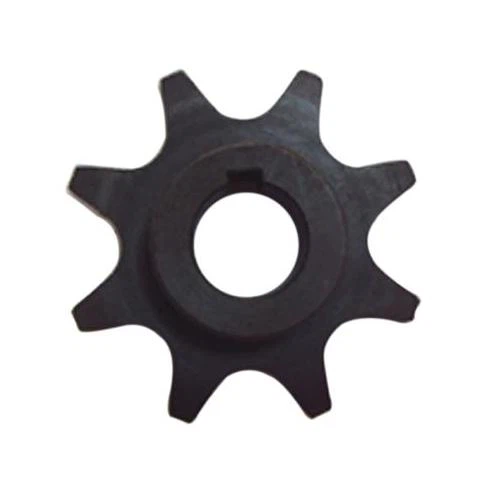
At our company, we are committed to providing high-quality driving chains that are not only reliable and efficient but also environmentally friendly. We offer a wide range of products, including Heavy Duty Series Roller Chains, Double Pitch Conveyor Chain Sprocket, and Self-lubrication Roller Chains.
Our Heavy Duty Series Roller Chains are designed to withstand high loads and harsh operating conditions, making them ideal for industrial applications. They are made from high-quality steel and are heat-treated for maximum strength and durability. Our Double Pitch Conveyor Chain Sprocket is a cost-effective solution for conveying applications, offering smooth and reliable operation. And our Self-lubrication Roller Chains are designed to reduce maintenance requirements and extend service life, while also minimizing the environmental impact of lubrication.
Conclusion
Driving chains play a vital role in various industries, but they also have significant environmental impacts. As a driving chains supplier, we have a responsibility to minimize these impacts and promote sustainable practices. By sourcing raw materials responsibly, using environmentally friendly lubricants, implementing recycling programs, and investing in product innovation, we can reduce the carbon footprint of our products and contribute to a more sustainable future.
If you are interested in learning more about our driving chains or have any questions about their environmental impact, please feel free to contact us. We would be happy to discuss your needs and provide you with the best solutions for your applications.
References
- American Iron and Steel Institute. (2023). Steel Recycling. Retrieved from [Website URL]
- European Commission. (2023). Sustainable Steel Production. Retrieved from [Website URL]
- International Organization for Standardization. (2023). ISO 14001: Environmental Management Systems. Retrieved from [Website URL]


