

Hey there! As a supplier of Self-lubrication Roller Chains, I often get asked about the elongation rate of these chains during use. It's a crucial topic, especially for those who rely on these chains in their machinery. So, let's dive right in and explore this in detail.
First off, what exactly is the elongation rate? Well, it's the amount by which a chain stretches over time as it's used. This stretching is a natural phenomenon that occurs due to several factors. One of the main causes is wear and tear. As the chain moves through the sprockets, the pins and bushings inside the chain experience friction. This friction gradually wears down the surfaces, causing the chain to become longer.
Another factor that can contribute to chain elongation is the load the chain is carrying. If the chain is constantly under heavy loads, it will experience more stress, which can lead to faster wear and, consequently, a higher elongation rate. Additionally, the operating environment plays a significant role. Chains used in dirty, dusty, or corrosive environments are more likely to experience accelerated wear and elongation.
Now, let's talk about why the elongation rate matters. A chain that has elongated too much can cause a whole host of problems. For starters, it can lead to poor performance. The chain may start to skip over the sprockets, causing the machinery to run less smoothly. This can result in decreased efficiency and increased energy consumption. In some cases, it can even lead to complete breakdowns, which can be costly in terms of both time and money.
So, how can you determine the elongation rate of your self-lubrication roller chains? Well, there are a few methods. One common way is to measure the chain's length at regular intervals. You can do this by using a measuring tape or a specialized chain measuring tool. By comparing the initial length of the chain to its length after a certain period of use, you can calculate the elongation rate.
It's important to note that different types of self-lubrication roller chains may have different elongation rates. For example, chains with higher-quality materials and better manufacturing processes tend to have lower elongation rates. That's why it's crucial to choose a reliable supplier like us. We offer Self-lubrication Roller Chains that are made from high-grade materials and undergo strict quality control measures to ensure they have a low elongation rate and long service life.
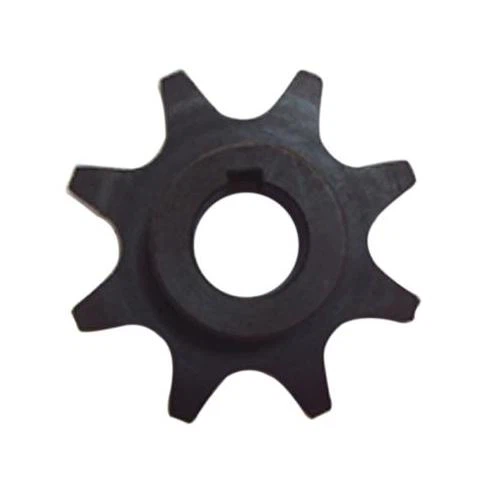
In addition to self-lubrication roller chains, we also supply other types of chains, such as Double Pitch Conveyor Chain Sprocket and Side Bow Chains. These chains are designed for specific applications and also have their own unique elongation characteristics.
To minimize the elongation rate of your chains, there are a few things you can do. First, make sure to follow the manufacturer's recommended maintenance schedule. This may include regular cleaning, lubrication, and inspection. Keeping the chain clean and well-lubricated can reduce friction and wear, which in turn can slow down the elongation process.
Second, avoid overloading the chain. Make sure to choose a chain that is rated for the specific load and application. If you're unsure, our team of experts can help you select the right chain for your needs.

Finally, monitor the chain's performance regularly. Look for signs of excessive wear, such as loose links or skipping over the sprockets. If you notice any issues, take action immediately to prevent further damage.
In conclusion, understanding the elongation rate of self-lubrication roller chains is essential for ensuring the smooth operation and longevity of your machinery. By choosing high-quality chains from a reliable supplier, following proper maintenance procedures, and monitoring the chain's performance, you can minimize the elongation rate and avoid costly breakdowns.
If you're in the market for self-lubrication roller chains or any other type of chains, don't hesitate to get in touch with us. We're here to help you find the right solution for your needs. Whether you have questions about chain selection, installation, or maintenance, our team of experts is ready to assist you. Let's work together to keep your machinery running smoothly!
References
- Industry standards and guidelines for chain manufacturing and usage
- Technical literature provided by chain manufacturers


