

Hey there! As a toothed chain supplier, I often get asked about the fatigue life of toothed chains. So, I thought I'd take a moment to break it down and give you all the lowdown on what it is and why it matters.
First off, let's talk about what fatigue life actually means. In simple terms, the fatigue life of a toothed chain is the amount of time or the number of cycles it can endure before it starts to show signs of wear and tear or fails completely. It's kind of like how long your favorite pair of running shoes can last before they start to fall apart.
Now, several factors can influence the fatigue life of a toothed chain. One of the most significant factors is the material the chain is made from. High - quality materials, like alloy steels, are generally more resistant to fatigue. They can withstand the repeated stress and strain that comes with the chain's operation over a longer period. For instance, if you compare a chain made from a cheap, low - grade steel to one made from a high - strength alloy, the alloy chain is likely to have a much longer fatigue life.
Another crucial factor is the load that the toothed chain has to carry. If the chain is constantly under a heavy load, it will experience more stress, which can shorten its fatigue life. Imagine trying to carry a super heavy backpack all day long; you'd get tired much faster than if you were carrying a light one. The same goes for toothed chains. So, it's important to make sure that the chain you choose is rated for the specific load it will be handling.
The operating environment also plays a big role. If the chain is used in a harsh environment, such as one with high temperatures, corrosive chemicals, or a lot of dust, it will be more prone to damage. For example, in a chemical plant, the chemicals in the air can corrode the chain, weakening it and reducing its fatigue life. On the other hand, if the chain is used in a clean, temperate environment, it will last longer.
Proper lubrication is yet another key aspect. Lubrication helps to reduce friction between the moving parts of the chain. When there's less friction, there's less heat generated, and the chain doesn't wear out as quickly. Think of it like oiling a squeaky door hinge; it makes the movement smoother and reduces the stress on the hinge. Without proper lubrication, the toothed chain can overheat and experience accelerated wear, which will definitely cut down on its fatigue life.
Now, let's talk about how we can estimate the fatigue life of a toothed chain. There are some mathematical models and testing methods that can give us a rough idea. However, it's important to note that these are just estimates, and the actual fatigue life can vary depending on the real - world conditions.
One common method is the S - N curve approach. The S - N curve shows the relationship between the stress level (S) and the number of cycles to failure (N). By knowing the stress that the chain will be under and referring to the S - N curve for the specific material of the chain, we can estimate how many cycles it will last. But again, this is based on ideal conditions, and real - world factors like those I mentioned earlier can throw off these estimates.
So, why does the fatigue life of a toothed chain matter? Well, for one, it affects the reliability of your equipment. If the chain fails prematurely, it can lead to costly downtime and repairs. Let's say you're running a manufacturing plant, and the toothed chain in one of your machines breaks. You'll have to stop production, replace the chain, and get the machine up and running again. This not only costs you money in terms of the new chain and labor but also in lost production time.
Secondly, understanding the fatigue life can help you plan for maintenance and replacement. If you know roughly how long a chain will last, you can schedule maintenance checks and replacements at the right time. This way, you can avoid unexpected breakdowns and keep your operations running smoothly.

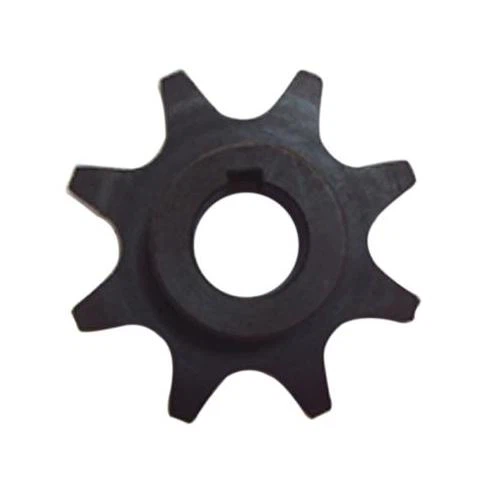
As a toothed chain supplier, we offer a wide range of toothed chains with different fatigue life ratings. Whether you need a chain for light - duty applications or heavy - duty industrial use, we've got you covered. And if you're not sure which chain is the best fit for your needs, our team of experts is always here to help.
We also supply related products like Double Pitch Conveyor Chain Sprocket and Short Pitch Precision Roller Chains. These products work hand - in - hand with our toothed chains to provide a complete power transmission solution. You can check out our Toothed Chain page on our website to learn more about the different types and features of our toothed chains.
If you're in the market for a toothed chain or have any questions about fatigue life or our products, don't hesitate to get in touch. We're more than happy to have a chat and work with you to find the perfect solution for your needs. Whether you're a small business or a large corporation, we can offer competitive prices and high - quality products.
In conclusion, the fatigue life of a toothed chain is a complex but important concept. By understanding the factors that affect it and taking the right steps to maintain and choose the right chain, you can ensure the long - term performance and reliability of your equipment. So, if you're looking for a reliable toothed chain supplier, give us a shout, and let's get your project on the right track.
References
- "Mechanical Engineering Design" by Joseph E. Shigley and Charles R. Mischke
- "Power Transmission Handbook" by Heinz P. Bloch and Fred K. Geitner
