

In the dynamic landscape of the food - processing industries, the quest for efficient, reliable, and hygienic equipment is never - ending. As a supplier of free flow chains, I've witnessed firsthand the transformative potential these chains hold for food - processing operations. In this blog, we'll explore whether free flow chains can indeed be used in food - processing industries, examining their features, benefits, and challenges.
Understanding Free Flow Chains
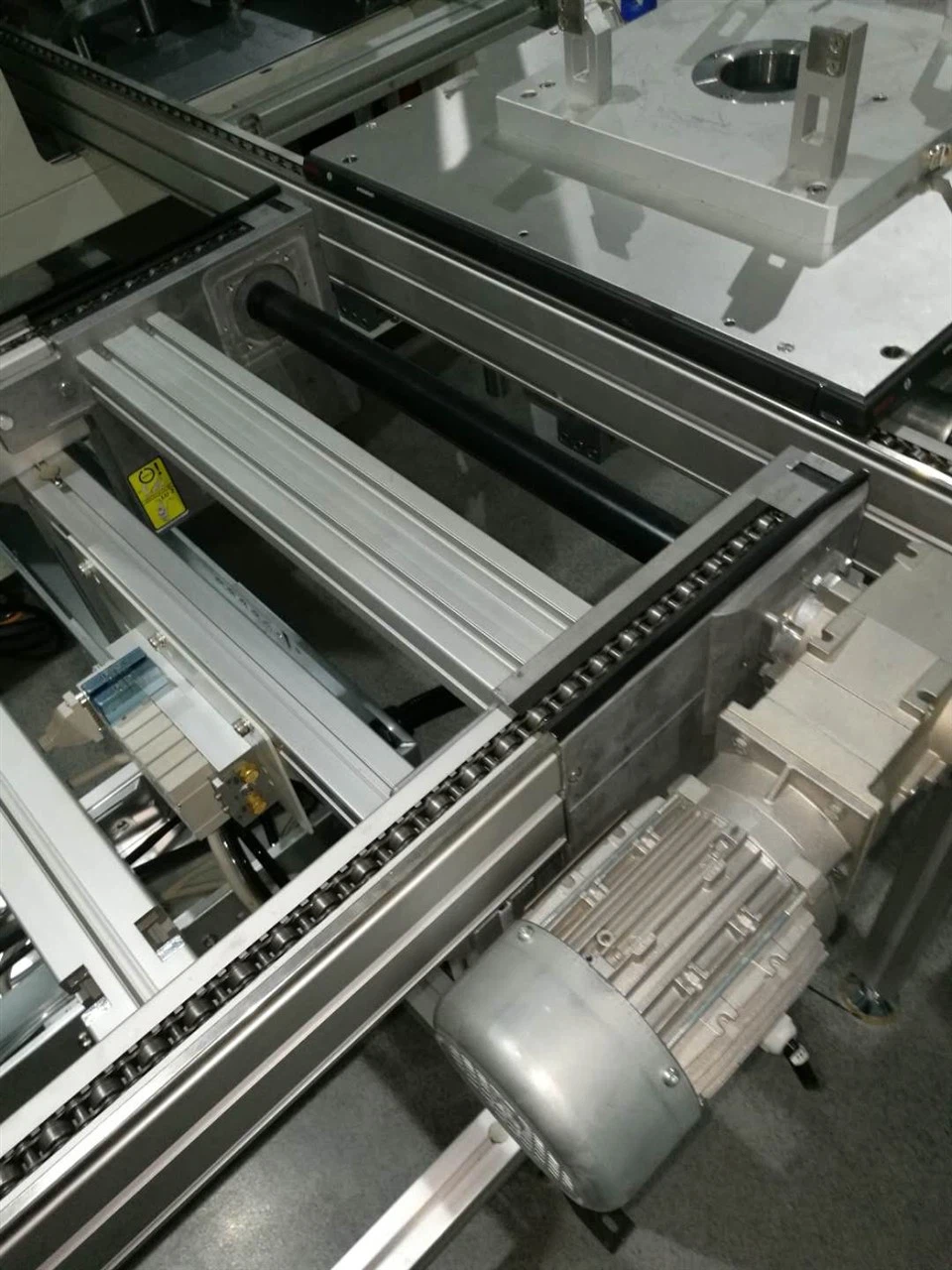
Free flow chains are a type of conveyor chain designed to provide smooth and continuous movement of products along a conveyor system. They are characterized by their ability to move freely around curves, bends, and inclines without the need for complex guiding mechanisms in many cases. There are different types of free flow chains available, each with its own unique features. For instance, Conveyor Chains with Side Rollers are designed to handle heavy loads and provide stable movement around curves. The side rollers reduce friction and wear, ensuring a long - lasting and efficient operation.
Conveyor Chains with Special Rollers are engineered to meet specific requirements, such as high - speed operation or handling of delicate products. These special rollers can be made from various materials, including plastic or metal, depending on the application.
Speed - fold Chains are another type of free flow chain that offers high - speed operation and flexibility. They are ideal for applications where rapid product transfer is required, such as in packaging lines.
Advantages of Using Free Flow Chains in Food - Processing Industries
Hygiene
One of the most critical aspects of food - processing is maintaining high levels of hygiene. Free flow chains can be designed to meet strict hygiene standards. Many modern free flow chains are made from materials that are resistant to corrosion, such as stainless steel or food - grade plastics. These materials can withstand frequent cleaning and disinfection processes, reducing the risk of contamination. Additionally, the smooth surface of free flow chains minimizes the accumulation of food particles and debris, making them easier to clean.

Flexibility
Food - processing operations often require the ability to handle a variety of products, from small snacks to large containers. Free flow chains offer excellent flexibility in terms of product handling. They can be configured to move products in different directions, around curves, and up and down inclines. This flexibility allows for the design of efficient and space - saving conveyor systems that can adapt to the changing needs of the food - processing industry.
Efficiency
In the food - processing industry, time is money. Free flow chains can significantly improve the efficiency of production lines. Their smooth and continuous movement reduces the risk of product jams and downtime. High - speed free flow chains, such as speed - fold chains, can increase the throughput of the production line, allowing for more products to be processed in a shorter period. Moreover, the reduced friction in free flow chains means less energy is required to operate the conveyor system, resulting in cost savings.
Durability
Food - processing environments can be harsh, with exposure to moisture, chemicals, and high - temperature cleaning processes. Free flow chains are built to withstand these conditions. The use of high - quality materials and advanced manufacturing techniques ensures that they have a long service life. This reduces the need for frequent chain replacements, minimizing maintenance costs and production disruptions.
Challenges and Considerations
Initial Investment
One of the main challenges of using free flow chains in food - processing industries is the initial investment. High - quality free flow chains, especially those made from stainless steel or with special features, can be more expensive than traditional conveyor chains. However, it's important to consider the long - term benefits, such as reduced maintenance costs, increased efficiency, and improved product quality. Over time, the return on investment can be significant.
Compatibility with Existing Systems
Integrating free flow chains into existing food - processing conveyor systems can be a challenge. It's essential to ensure that the new chains are compatible with the existing equipment, including motors, drives, and control systems. In some cases, modifications may be required to the conveyor system to accommodate the free flow chains. This may involve changes to the frame, guides, or other components.
Regulatory Compliance
The food - processing industry is highly regulated, and conveyor systems must comply with various standards and regulations. When using free flow chains, it's crucial to ensure that they meet all relevant food safety and hygiene standards. This may require additional testing and certification, which can add to the overall cost and time of implementation.
Case Studies
To illustrate the effectiveness of free flow chains in food - processing industries, let's look at a few case studies.
A large snack food manufacturer was facing issues with product jams and slow throughput on their packaging line. They decided to upgrade their conveyor system to use free flow chains. By installing Conveyor Chains with Special Rollers, they were able to reduce product jams by 80% and increase the throughput of the packaging line by 30%. The smooth movement of the chains also improved the quality of the packaged products, reducing waste.
Another example is a dairy processing plant that needed to improve the efficiency of their milk bottling line. They implemented a conveyor system using speed - fold chains. The high - speed operation of the chains allowed for faster product transfer, increasing the production capacity of the line. The flexibility of the chains also enabled the plant to reconfigure the conveyor system easily to accommodate different bottle sizes.
Conclusion
In conclusion, free flow chains have great potential for use in food - processing industries. Their advantages in terms of hygiene, flexibility, efficiency, and durability make them a viable option for many food - processing applications. While there are challenges, such as the initial investment and regulatory compliance, the long - term benefits often outweigh these drawbacks.
If you're in the food - processing industry and are considering upgrading your conveyor system, I encourage you to explore the possibilities of using free flow chains. As a supplier of free flow chains, I'm committed to providing high - quality products and excellent customer service. Whether you need help with chain selection, system design, or installation, I'm here to assist you. Contact me to discuss your specific requirements and start the journey towards a more efficient and productive food - processing operation.
References
- "Conveyor Systems in the Food Industry: Design and Operation" by John Smith
- "Hygiene Standards for Food - Processing Equipment" published by the Food and Drug Administration
- "Advances in Conveyor Chain Technology" in the Journal of Industrial Engineering


