

The surface smoothness of free flow chains is a critical factor that significantly influences their performance in various industrial applications. As a reputable supplier of free flow chains, I have witnessed firsthand how this seemingly minor characteristic can have a major impact on the efficiency, durability, and overall functionality of these essential components. In this blog post, I will delve into the intricate relationship between surface smoothness and the performance of free flow chains, exploring the scientific principles at play and providing real-world examples to illustrate the importance of this factor.
Understanding Free Flow Chains
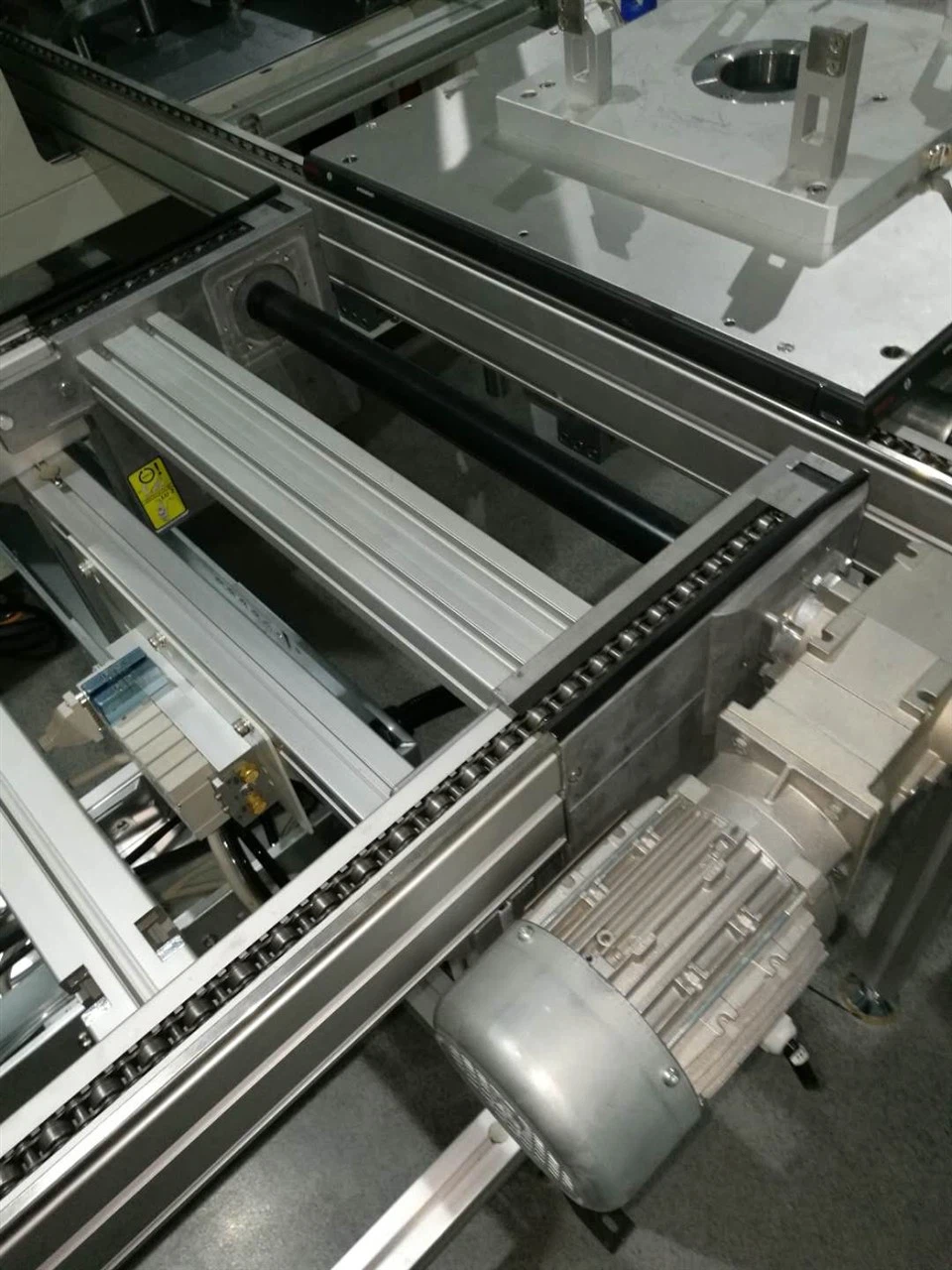
Before we dive into the effects of surface smoothness, it's essential to have a clear understanding of what free flow chains are and how they function. Free flow chains are a type of conveyor chain designed to move products smoothly and efficiently along a conveyor system. Unlike traditional conveyor chains, which rely on a fixed path and a continuous drive, free flow chains allow products to move freely and independently, enabling greater flexibility and control in the material handling process.
Free flow chains are commonly used in a wide range of industries, including automotive, food and beverage, pharmaceutical, and logistics. They are particularly well-suited for applications where products need to be sorted, accumulated, or transferred between different conveyor sections. Some of the most popular types of free flow chains include Speed-fold Chains, Conveyor Chains with Special Rollers, and Conveyor Chains with Top Rollers.
The Role of Surface Smoothness
The surface smoothness of free flow chains refers to the degree of evenness and uniformity of the chain's surface. A smooth surface is characterized by minimal roughness, irregularities, and imperfections, while a rough surface has visible bumps, ridges, or scratches. The surface smoothness of a chain can be influenced by several factors, including the manufacturing process, the quality of the materials used, and the level of wear and tear over time.
Surface smoothness plays a crucial role in the performance of free flow chains for several reasons. Firstly, a smooth surface reduces friction between the chain and the conveyor components, such as the guide rails, sprockets, and rollers. Friction is a major source of energy loss in conveyor systems, as it requires additional power to overcome the resistance between the moving parts. By minimizing friction, a smooth surface allows the chain to move more freely and efficiently, reducing energy consumption and extending the lifespan of the chain and other conveyor components.
Secondly, a smooth surface helps to prevent product damage and contamination. When a chain has a rough surface, it can cause scratches, abrasions, or other types of damage to the products being conveyed. This can be particularly problematic in industries where product quality and integrity are critical, such as the food and beverage and pharmaceutical industries. Additionally, a rough surface can trap dirt, debris, and other contaminants, which can accumulate over time and affect the performance of the chain and the quality of the products being conveyed. A smooth surface, on the other hand, is less likely to cause product damage and is easier to clean and maintain, ensuring a hygienic and reliable conveyor system.
Thirdly, a smooth surface improves the overall stability and reliability of the conveyor system. When a chain has a rough surface, it can cause vibrations and noise, which can be distracting and potentially harmful to the operators and the surrounding environment. Additionally, a rough surface can cause the chain to skip or slip on the sprockets, leading to inconsistent product flow and potential downtime. A smooth surface, on the other hand, provides a more stable and reliable operation, reducing the risk of chain failure and ensuring a consistent and efficient material handling process.
Scientific Principles Behind Surface Smoothness
The relationship between surface smoothness and the performance of free flow chains can be explained by several scientific principles, including friction, wear, and lubrication.
Friction is the force that resists the relative motion between two surfaces in contact. When a chain moves along a conveyor system, it experiences friction between the chain and the conveyor components, such as the guide rails, sprockets, and rollers. The amount of friction depends on several factors, including the surface roughness of the chain and the conveyor components, the load being carried, and the speed of the chain. A smooth surface reduces the contact area between the chain and the conveyor components, which in turn reduces the frictional force and allows the chain to move more freely.
Wear is the gradual removal of material from a surface due to friction and other mechanical forces. When a chain has a rough surface, it can cause increased wear on the chain and the conveyor components, as the rough surface creates more contact points and generates more friction. This can lead to premature failure of the chain and other conveyor components, resulting in increased maintenance costs and downtime. A smooth surface, on the other hand, reduces the wear rate and extends the lifespan of the chain and other conveyor components.
Lubrication is the process of applying a lubricant to a surface to reduce friction and wear. Lubricants can be used to improve the performance of free flow chains by reducing the frictional force between the chain and the conveyor components and by protecting the chain from corrosion and other types of damage. However, the effectiveness of lubrication depends on the surface smoothness of the chain. A rough surface can trap the lubricant, preventing it from reaching the contact points between the chain and the conveyor components and reducing its effectiveness. A smooth surface, on the other hand, allows the lubricant to spread evenly and provide better protection and performance.
Real-World Examples
To illustrate the importance of surface smoothness in the performance of free flow chains, let's consider some real-world examples.
In the automotive industry, free flow chains are used to transport car parts along the assembly line. A smooth surface is essential in this application to ensure that the car parts are not damaged during the transportation process. A rough surface can cause scratches, dents, or other types of damage to the car parts, which can affect the quality and performance of the final product. Additionally, a smooth surface reduces friction and wear, allowing the chain to move more freely and efficiently and extending the lifespan of the chain and other conveyor components.
In the food and beverage industry, free flow chains are used to transport food products along the production line. A smooth surface is crucial in this application to ensure that the food products are not contaminated during the transportation process. A rough surface can trap dirt, debris, and other contaminants, which can accumulate over time and affect the quality and safety of the food products. Additionally, a smooth surface is easier to clean and maintain, ensuring a hygienic and reliable conveyor system.
In the logistics industry, free flow chains are used to transport packages and parcels along the conveyor system. A smooth surface is important in this application to ensure that the packages and parcels are not damaged during the transportation process. A rough surface can cause scratches, tears, or other types of damage to the packages and parcels, which can affect the delivery time and the customer experience. Additionally, a smooth surface reduces friction and wear, allowing the chain to move more freely and efficiently and reducing the energy consumption of the conveyor system.

Conclusion
In conclusion, the surface smoothness of free flow chains is a critical factor that significantly influences their performance in various industrial applications. A smooth surface reduces friction, wear, and noise, improves the overall stability and reliability of the conveyor system, and prevents product damage and contamination. By understanding the scientific principles behind surface smoothness and the importance of this factor in the performance of free flow chains, you can make informed decisions when selecting and maintaining your conveyor system.
As a supplier of high-quality free flow chains, we are committed to providing our customers with products that meet the highest standards of quality and performance. Our free flow chains are manufactured using the latest technology and materials, ensuring a smooth surface and excellent durability. If you are interested in learning more about our free flow chains or would like to discuss your specific requirements, please contact us today. We look forward to working with you to provide the best solution for your material handling needs.
References
- "Conveyor Chain Handbook" by The Chain Link Manufacturer's Association
- "Engineering Tribology" by Michael J. Neale
- "Surface Engineering for Corrosion and Wear Resistance" by David G. McCartney


