

How to Measure the Size of Steel Widened Chains
As a supplier of steel widened chains, I understand the importance of accurate measurements when it comes to these essential industrial components. Steel widened chains are used in a variety of applications, from heavy - duty machinery to conveyor systems, and getting the right size is crucial for optimal performance and safety. In this blog post, I'll share some key methods and considerations for measuring the size of steel widened chains.

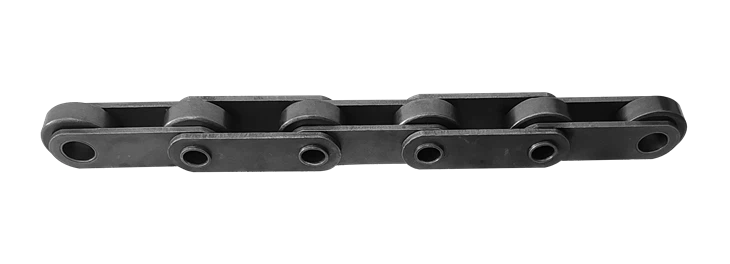
Understanding the Basics of Steel Widened Chains
Before we dive into the measurement process, it's important to have a basic understanding of what steel widened chains are. These chains are designed with wider links compared to standard chains, which provides increased strength and durability. They are often used in applications where high loads and heavy - duty operations are involved.
Key Dimensions to Measure
- Pitch: The pitch of a chain is the distance between the centers of two consecutive pins. It is one of the most important dimensions when it comes to chain sizing. To measure the pitch, you can use a caliper or a pitch gauge. Place the measuring tool between the centers of two adjacent pins and record the measurement. A consistent pitch is essential for the chain to mesh properly with sprockets. For example, if the pitch is off, the chain may not fit correctly on the sprocket, leading to premature wear and potential failure.
- Width: The width of the steel widened chain refers to the distance across the inside of the outer link plates. This measurement is crucial as it determines how well the chain will fit into the machinery or conveyor system. Use a caliper to measure the width at the widest part of the inner space between the outer link plates. A chain that is too wide or too narrow may not function properly, causing issues such as binding or excessive movement.
- Pin Diameter: The diameter of the pins in the chain is another important dimension. Pins play a vital role in holding the chain links together and allowing for smooth movement. Measuring the pin diameter accurately ensures that the chain will have the right amount of flexibility and strength. Use a micrometer to measure the diameter of the pin at its thickest part. If the pin diameter is incorrect, it can lead to problems with link rotation and overall chain performance.
- Roller Diameter (if applicable): Some steel widened chains have rollers. The roller diameter affects the chain's ability to roll smoothly on the sprocket teeth. Measure the roller diameter using a caliper. A proper roller diameter ensures efficient power transmission and reduces wear on both the chain and the sprocket.
Measuring Tools
- Caliper: A caliper is a versatile tool that can be used to measure the pitch, width, and roller diameter of the chain. There are different types of calipers, such as digital and vernier calipers. Digital calipers provide a more precise and easy - to - read measurement, while vernier calipers require a bit more skill to read accurately.
- Micrometer: For measuring the pin diameter, a micrometer is the best tool. It offers high precision and can measure small dimensions accurately.
- Pitch Gauge: A pitch gauge is specifically designed to measure the pitch of the chain. It is a simple and effective tool that can quickly give you an accurate pitch measurement.
Measuring Process
- Clean the Chain: Before taking any measurements, make sure the chain is clean. Dirt, grease, and debris can affect the accuracy of the measurements. Use a degreaser and a brush to clean the chain thoroughly.
- Select the Right Measuring Points: When measuring the pitch, width, pin diameter, and roller diameter, choose the appropriate points on the chain. For pitch, measure between the centers of adjacent pins. For width, measure at the widest part of the inner space between the outer link plates. For pin and roller diameters, measure at the thickest part.
- Take Multiple Measurements: To ensure accuracy, take multiple measurements at different locations along the chain. This helps to account for any variations in the manufacturing process. Calculate the average of the measurements to get a more reliable result.
Importance of Accurate Measurements
Accurate measurements of steel widened chains are essential for several reasons. Firstly, it ensures proper fitment. A chain that is the right size will fit smoothly on the sprockets and in the machinery, reducing the risk of premature wear and failure. Secondly, it improves performance. A well - sized chain will operate more efficiently, transmitting power effectively and reducing energy consumption. Finally, it enhances safety. A chain that is not measured correctly can lead to unexpected failures, which can be dangerous in industrial settings.
Related Chain Types
In addition to steel widened chains, there are other types of chains that are commonly used in industrial applications. You can learn more about Metric Long Pitch Conveyor Chains, which are designed for specific conveyor systems and have their own unique measurement requirements. Double Pitch Conveyor Chains are also popular, offering a different pitch configuration that is suitable for certain applications. And if you're interested in chains with a hollow pin design, Hollow Pin Chains provide additional flexibility and functionality.
Contact for Purchase and Consultation
If you're in the market for high - quality steel widened chains or need further advice on chain sizing and selection, I'm here to help. As a trusted supplier, I can provide you with the right products that meet your specific requirements. Whether you're involved in a small - scale project or a large - scale industrial operation, accurate chain sizing is crucial, and I can assist you every step of the way. Reach out to start a discussion about your needs and let's find the perfect steel widened chains for your application.
References
- "Chain Handbook" by Chain Manufacturer's Association
- "Industrial Chain Design and Application Guide" by a leading industry expert


