

As a supplier of Double Pitch Conveyor Chains, I've witnessed firsthand the critical role these chains play in various industrial applications. Double Pitch Conveyor Chains are designed to handle a wide range of conveying tasks, from light-duty to heavy-duty operations. However, to ensure optimal performance and longevity, it's essential to understand the key factors that influence their operation and how to optimize them. In this blog post, I'll share some insights and practical tips on how to optimize the performance of Double Pitch Conveyor Chains.
Understanding Double Pitch Conveyor Chains
Double Pitch Conveyor Chains, also known as "extended pitch chains," are a type of roller chain with a pitch that is twice that of standard roller chains. This design allows for a larger spacing between the chain links, which is beneficial for conveying applications where a slower speed and a larger pitch are required. These chains are commonly used in industries such as food processing, packaging, automotive, and material handling.
One of the main advantages of Double Pitch Conveyor Chains is their versatility. They can be used in a variety of conveyor systems, including straight conveyors, curved conveyors, and incline/decline conveyors. Additionally, they can be customized with different attachments and accessories to meet specific application requirements. For more information about Double Pitch Conveyor Chains, you can visit our website at Double Pitch Conveyor Chains.
Factors Affecting Chain Performance
Several factors can affect the performance of Double Pitch Conveyor Chains. Understanding these factors is crucial for optimizing chain performance and preventing premature wear and failure. Here are some of the key factors to consider:
1. Load Capacity
The load capacity of a chain is determined by its design, material, and manufacturing process. It's essential to select a chain with a load capacity that is suitable for the specific application. Overloading a chain can lead to excessive wear, elongation, and even chain breakage. When selecting a chain, consider the weight of the conveyed material, the speed of the conveyor, and any additional forces or stresses that the chain may be subjected to.
2. Lubrication
Proper lubrication is essential for reducing friction and wear between the chain links and the sprockets. Lubrication also helps to prevent corrosion and extend the life of the chain. It's important to use the right type of lubricant for the specific application and to apply it at the recommended intervals. In some cases, a dry lubricant may be preferred, especially in applications where contamination is a concern.
3. Sprocket Design
The design of the sprockets can have a significant impact on the performance of the chain. Sprockets should be properly sized and aligned to ensure smooth engagement with the chain. The teeth of the sprockets should be in good condition and free from wear or damage. Using the wrong type of sprockets or sprockets that are not properly maintained can lead to increased wear on the chain and reduced performance.
4. Operating Environment
The operating environment can also affect the performance of the chain. Factors such as temperature, humidity, dust, and chemicals can all have an impact on the chain's performance and longevity. In harsh environments, it may be necessary to use a chain that is specifically designed to withstand these conditions. For example, in high-temperature applications, a heat-resistant chain may be required.
5. Installation and Alignment
Proper installation and alignment of the chain and sprockets are crucial for optimal performance. The chain should be installed with the correct tension and alignment to ensure smooth operation. Incorrect installation or alignment can lead to increased wear, noise, and vibration, as well as premature chain failure.
Tips for Optimizing Chain Performance
Based on my experience as a Double Pitch Conveyor Chains supplier, here are some practical tips for optimizing the performance of your chains:

1. Select the Right Chain
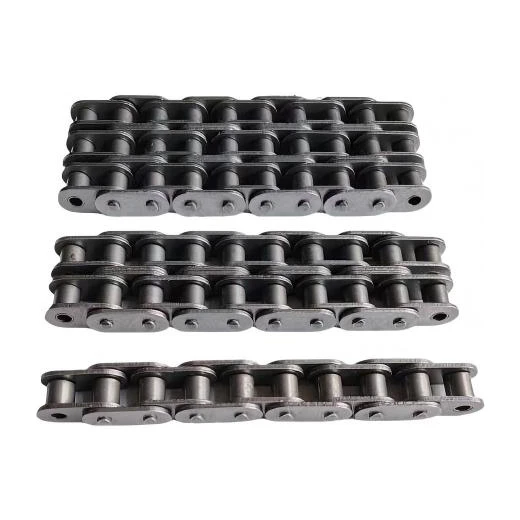
Choosing the right chain for the specific application is the first step in optimizing performance. Consider the load capacity, speed, operating environment, and any other requirements of the application when selecting a chain. Our website offers a wide range of Double Pitch Conveyor Chains, as well as Roller Chains with Straight Side Plates and Multiple Strands Special Roller Chains, to meet different application needs.
2. Follow Proper Lubrication Practices
As mentioned earlier, proper lubrication is essential for reducing friction and wear. Follow the manufacturer's recommendations for lubrication type and frequency. Regularly inspect the chain for signs of lubricant depletion and reapply lubricant as needed.
3. Maintain Sprockets
Keep the sprockets in good condition by regularly inspecting them for wear, damage, and proper alignment. Replace worn or damaged sprockets promptly to prevent excessive wear on the chain.
4. Monitor Chain Tension
Regularly check the tension of the chain and adjust it as needed. Proper chain tension is crucial for smooth operation and to prevent chain slippage or excessive wear.
5. Clean the Chain
In dirty or dusty environments, clean the chain regularly to remove debris and contaminants. This can help to prevent premature wear and extend the life of the chain.
6. Train Operators
Ensure that operators are properly trained on the correct use and maintenance of the conveyor system, including the chain. This can help to prevent operator errors that can lead to chain damage or failure.
Case Studies
To illustrate the importance of optimizing chain performance, let's look at a couple of case studies:
Case Study 1: Food Processing Industry
A food processing company was experiencing frequent chain failures in their conveyor system. After a thorough inspection, it was found that the chain was not being properly lubricated, and the sprockets were worn. By implementing a regular lubrication schedule and replacing the worn sprockets, the company was able to significantly reduce chain failures and improve the overall efficiency of their conveyor system.
Case Study 2: Automotive Industry
An automotive manufacturer was using a Double Pitch Conveyor Chain in a high-speed assembly line. The chain was experiencing excessive wear due to the high load and speed. By upgrading to a higher load capacity chain and optimizing the chain tension, the manufacturer was able to reduce chain wear and increase the uptime of their production line.
Conclusion
Optimizing the performance of Double Pitch Conveyor Chains is essential for ensuring the smooth operation and longevity of conveyor systems. By understanding the factors that affect chain performance and implementing the tips and best practices outlined in this blog post, you can significantly reduce chain wear, prevent premature failure, and improve the overall efficiency of your operations.
If you're interested in learning more about our Double Pitch Conveyor Chains or have any questions about optimizing chain performance, please don't hesitate to contact us. We're here to help you find the right solutions for your specific application needs.
References
- "Roller Chain Handbook" by the American Chain Association
- "Conveyor Systems Design Manual" by CEMA (Conveyor Equipment Manufacturers Association)


