

In the dynamic landscape of the automotive industry, the efficiency and reliability of production processes are paramount. One crucial yet often overlooked component that plays a significant role in streamlining operations is the free flow chain. As a leading supplier of free flow chains, I've witnessed firsthand the diverse functions and benefits these chains bring to automotive manufacturing. In this blog post, I'll delve into the key functions of free flow chains in the automotive industry and explain why they are indispensable for modern production lines.
1. Material Handling and Conveyance
At the heart of any automotive manufacturing plant is the need to move materials and components efficiently from one workstation to another. Free flow chains are specifically designed to facilitate smooth and continuous material handling, ensuring that parts are transported precisely where they need to be, when they need to be there.
These chains are equipped with rollers that allow them to glide effortlessly along conveyor tracks, minimizing friction and reducing the risk of jams or blockages. This smooth movement is essential for maintaining a steady production flow, especially in high-volume manufacturing environments where even a minor disruption can have a significant impact on productivity.
For example, in an automotive assembly line, free flow chains are used to transport engine components, body panels, and other parts between different stations. The chains can be customized to accommodate various load capacities and sizes, ensuring that even the largest and heaviest components can be moved safely and efficiently.
Our Conveyor Chains with Special Rollers are designed to provide exceptional performance in demanding material handling applications. These chains feature specially engineered rollers that offer reduced friction and increased wear resistance, ensuring long-lasting reliability and smooth operation.
2. Precision Positioning
In addition to material handling, free flow chains are also used for precision positioning of components during the assembly process. In automotive manufacturing, where tight tolerances are required to ensure the quality and performance of the final product, accurate positioning is crucial.
Free flow chains can be equipped with sensors and other control systems that allow for precise positioning of parts at specific workstations. This ensures that components are aligned correctly and can be assembled with high precision, reducing the risk of errors and improving overall product quality.
For instance, in the installation of automotive electrical systems, free flow chains are used to position wiring harnesses and connectors precisely. The chains can be programmed to stop at specific points along the conveyor track, allowing workers to easily access and install the components with minimal effort.
Our Conveyor Chains with Top Rollers are ideal for precision positioning applications. These chains feature top rollers that provide additional support and stability, ensuring that components are held securely in place during transportation and positioning.
3. Flexibility and Adaptability
The automotive industry is constantly evolving, with new models and technologies being introduced regularly. As a result, manufacturing plants need to be able to adapt quickly to changing production requirements. Free flow chains offer the flexibility and adaptability needed to meet these challenges.
These chains can be easily reconfigured and adjusted to accommodate different production layouts and processes. They can be extended or shortened as needed, and additional components such as sensors and control systems can be added or removed to meet specific requirements.
For example, if a manufacturing plant decides to introduce a new model of vehicle, the free flow chains can be modified to handle the different sizes and weights of the components. This allows the plant to quickly ramp up production of the new model without having to invest in a completely new conveyor system.
Our Short Pitch Speed-fold Chains are designed to provide maximum flexibility and adaptability. These chains feature a short pitch design that allows for high-speed operation and easy installation in tight spaces. They can also be easily customized to meet the specific needs of different applications.
4. Durability and Reliability
Automotive manufacturing is a demanding environment, with high temperatures, heavy loads, and constant vibration. Free flow chains need to be able to withstand these harsh conditions and provide reliable performance over an extended period of time.
As a supplier of free flow chains, we understand the importance of durability and reliability. That's why our chains are made from high-quality materials and are designed to meet the most stringent industry standards.
Our chains are heat-treated and surface-hardened to provide excellent wear resistance and strength. They are also lubricated to reduce friction and prevent corrosion, ensuring long-lasting performance even in the most challenging environments.
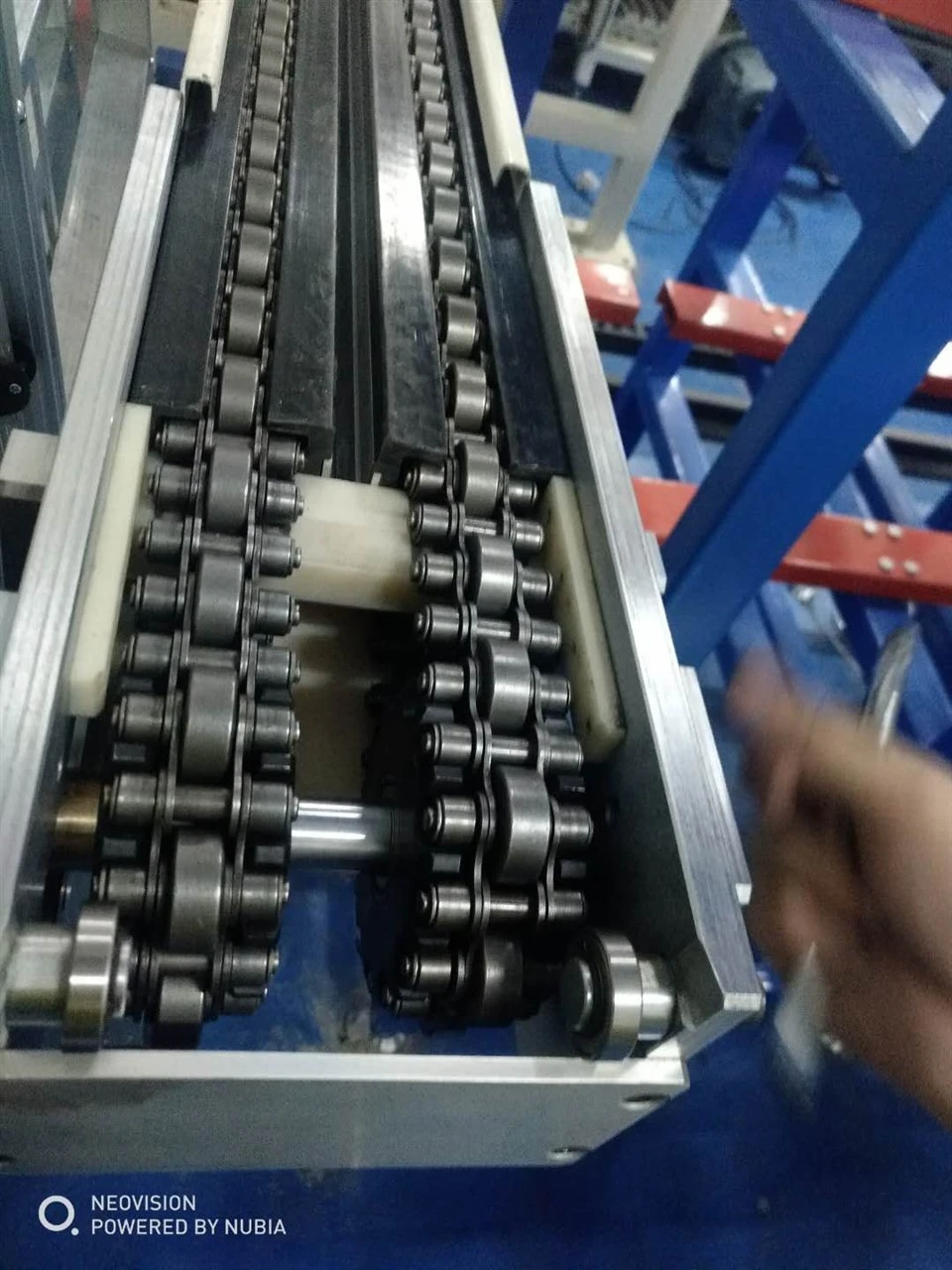

In addition, we offer a comprehensive range of maintenance and support services to ensure that our customers' free flow chains continue to operate at peak performance. Our team of experts can provide regular inspections, lubrication, and repairs to keep the chains in optimal condition.
5. Cost-Effectiveness
In today's competitive automotive market, cost-effectiveness is a key consideration for manufacturers. Free flow chains offer a cost-effective solution for material handling and assembly processes, helping to reduce production costs and improve overall efficiency.
Compared to other types of conveyor systems, free flow chains are relatively inexpensive to purchase and install. They also require less maintenance and have a longer service life, which helps to reduce operating costs over time.
In addition, the flexibility and adaptability of free flow chains allow manufacturers to make changes to their production processes quickly and easily, without having to invest in expensive new equipment. This helps to minimize downtime and increase productivity, further reducing costs.
Conclusion
In conclusion, free flow chains play a vital role in the automotive industry, providing essential functions such as material handling, precision positioning, flexibility, durability, and cost-effectiveness. As a leading supplier of free flow chains, we are committed to providing our customers with high-quality products and exceptional service.
If you're looking for a reliable and cost-effective solution for your automotive manufacturing needs, we invite you to contact us to discuss your requirements. Our team of experts will be happy to help you find the right free flow chain for your application and provide you with a customized solution that meets your specific needs.
References
- Automotive Manufacturing Handbook, Second Edition, Edited by G. Boothroyd, P. Dewhurst, and W. Knight
- Conveyor Technology Handbook, Fourth Edition, Edited by C. W. Smith and J. E. Hinz


