

Hey there! As a supplier of conveyor chains, I've seen firsthand the many benefits these nifty pieces of equipment bring to various industries. They're super useful for moving stuff around in factories, warehouses, and all sorts of other places. But like anything else, conveyor chains have their limitations. Let's dive into what those are.
Wear and Tear
One of the biggest limitations of conveyor chains is wear and tear. You know, just like your favorite pair of jeans gets holes after a while, conveyor chains also degrade over time. The constant movement, friction, and the weight of the materials being carried all take their toll.
In high - speed applications, the chains are under a lot of stress. The pins and bushings in the chain experience a huge amount of friction as they move against each other. This friction can cause the surfaces to wear down. As the parts wear, the chain's performance starts to decline. It might become looser, which can lead to misalignment on the sprockets. And misalignment is a real headache because it can cause uneven wear on both the chain and the sprockets, and even lead to premature failure.
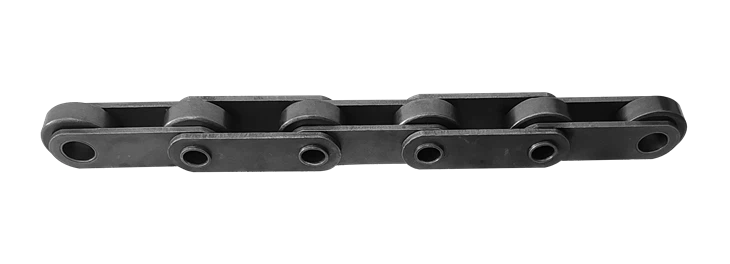

In environments where there's a lot of dust, dirt, or abrasive materials, the wear and tear issue gets even worse. These particles can get into the chain's joints and act like sandpaper, accelerating the wear process. You might think you can just keep using the chain until it breaks, but that's a risky move. A broken chain can cause production downtime, which can cost a fortune in lost productivity and repairs.
Corrosion
Corrosion is another major limitation, especially in certain industries. If your conveyor chain is used in a wet or humid environment, or in places where it's exposed to chemicals, it's at risk of corrosion.
For example, in the food and beverage industry, conveyor chains are often washed down with water and cleaning agents to meet hygiene standards. While this is necessary, it also means the chains are constantly in contact with moisture, which can lead to rust. Rust weakens the chain's structure, making it more likely to break under stress.
In the chemical industry, conveyor chains can be exposed to all sorts of corrosive substances. These chemicals can eat away at the metal, causing pitting and reducing the chain's strength. Even in outdoor applications, like in a mining operation, the chain can be exposed to rain, snow, and harsh weather conditions, which can lead to corrosion over time.
To combat corrosion, you can use chains made from corrosion - resistant materials like stainless steel. But these chains are usually more expensive, and they might not be suitable for all applications.
Noise and Vibration
Conveyor chains can be pretty noisy, especially when they're running at high speeds. The noise is mainly caused by the impact between the chain and the sprockets as the chain moves. This can be a real problem in workplaces where noise levels need to be kept low for the safety and comfort of employees.
Excessive noise can also be a sign of other problems, like misalignment or wear. If you hear a lot of rattling or screeching noises coming from your conveyor chain, it's a good idea to stop and check it out. Ignoring these noises can lead to more serious issues down the line.
Vibration is another related problem. When a conveyor chain vibrates too much, it can cause problems with the equipment it's attached to. It can loosen bolts and other fasteners, and even cause damage to the conveyor frame. In some cases, the vibration can be so bad that it affects the quality of the products being transported on the conveyor.
Limited Flexibility
Conveyor chains are designed to move in a relatively straight line. While there are some types of chains that can handle curves to a certain extent, their flexibility is still limited compared to other types of conveying systems.
If you need to transport materials around tight corners or in complex layouts, you might run into problems with a conveyor chain. For example, in a small warehouse where space is limited, you might want to have a conveyor system that can snake around obstacles. A standard conveyor chain might not be able to do this without a lot of additional equipment and complex engineering.
Load Capacity
Every conveyor chain has a maximum load capacity. This is determined by the chain's design, the materials it's made of, and the size of its components. If you try to exceed the load capacity, you're asking for trouble.
Overloading a conveyor chain can cause it to stretch, which can lead to misalignment and premature wear. In extreme cases, it can cause the chain to break. You need to make sure you know the load capacity of your conveyor chain and never push it beyond its limits.
It's also important to consider the distribution of the load. If the load is concentrated in one area of the chain, it can put more stress on certain parts of the chain, increasing the risk of failure.
Temperature Limitations
Conveyor chains have limitations when it comes to temperature. In high - temperature environments, like in a foundry or a bakery, the heat can affect the chain's performance.
High temperatures can cause the chain's metal to expand, which can lead to changes in its dimensions. This can cause the chain to become too tight or too loose on the sprockets, leading to misalignment and wear. The heat can also reduce the chain's strength, making it more likely to break.
On the other hand, in low - temperature environments, like in a freezer or a cold storage facility, the chain can become brittle. Cold temperatures can make the metal less ductile, increasing the risk of cracking when the chain is under stress.
Compatibility with Other Equipment
Conveyor chains need to be compatible with the sprockets, motors, and other components of the conveyor system. If there's a mismatch, it can lead to all sorts of problems.
For example, if the sprockets are not the right size or have the wrong tooth profile, the chain might not mesh properly. This can cause uneven wear on the chain and the sprockets, and can even lead to the chain slipping off the sprockets.
The motor that drives the conveyor chain also needs to be properly sized. If the motor is too weak, it might not be able to move the chain and the load efficiently. If it's too powerful, it can put too much stress on the chain, leading to premature failure.
Types of Conveyor Chains and Their Limitations
There are different types of conveyor chains, each with its own set of limitations.
Hollow Pin Chains are often used for attaching fixtures or carrying light - to - medium - weight loads. However, their hollow pins can be more prone to damage if they're overloaded or if foreign objects get into them.
Double Pitch Conveyor Chains are known for their longer pitch, which can reduce the number of teeth on the sprockets. But they might not be as strong as standard pitch chains, so they're not suitable for heavy - duty applications.
Multiple Strands Special Roller Chains are designed to handle higher loads by using multiple strands of chain. However, they can be more complex to install and maintain, and they might be more expensive.
Conclusion
Despite these limitations, conveyor chains are still a popular choice for many industries because of their reliability and efficiency. If you're aware of these limitations, you can take steps to minimize their impact. Regular maintenance, proper lubrication, and choosing the right type of chain for your application are all important factors.
If you're in the market for conveyor chains and want to discuss your specific needs, I'd love to help. Whether you're dealing with wear and tear, corrosion, or any of the other limitations we've talked about, we can find the right solution for you. Just reach out, and we can start a conversation about how to get the most out of your conveyor chain system.
References
- "Conveyor Chain Handbook" - Industry - standard guide on conveyor chain technology
- "Materials Science for Engineers" - Textbook on the properties of materials used in conveyor chains
- "Industrial Conveyor Systems: Design, Operation, and Maintenance" - Comprehensive resource on conveyor systems and their components


