

When it comes to working with conveyor chains, safety should always be the top priority. As a leading conveyor chains supplier, we understand the critical importance of adhering to strict safety precautions to prevent accidents and ensure a smooth and efficient operation. In this blog post, we will delve into the essential safety measures that should be taken when working with conveyor chains.
Pre - operation Safety Checks
Before starting any work involving conveyor chains, a thorough pre - operation inspection is crucial. This inspection should cover several key aspects.
First, visually examine the conveyor chain for any signs of wear, damage, or misalignment. Look for broken or cracked links, worn pins, and excessive elongation. Chains with significant wear can lead to sudden failures, which may cause serious injuries to workers and damage to the equipment. For example, a worn pin can cause a link to come loose, potentially jamming the conveyor and causing it to stop abruptly.
Second, check the tension of the conveyor chain. An overly loose chain can slip off the sprockets, while an overly tight chain can put excessive stress on the components, leading to premature wear and possible breakage. Use a tension gauge to ensure that the chain tension is within the manufacturer's recommended range.
Third, inspect the sprockets and other related components. Make sure the sprockets are in good condition, with no signs of excessive wear or damage. Worn sprockets can cause the chain to skip or jump, which is not only dangerous but also reduces the efficiency of the conveyor system. Check the alignment of the sprockets to ensure that the chain runs smoothly and evenly.
Personal Protective Equipment (PPE)
Wearing appropriate personal protective equipment is essential when working with conveyor chains. Workers should wear safety glasses to protect their eyes from flying debris, such as small metal particles that may be dislodged during chain operation. Gloves are also necessary to protect hands from cuts, abrasions, and burns. In addition, steel - toed boots should be worn to protect feet from heavy objects that may fall or be dropped during maintenance or operation.
For workers who are exposed to loud noise generated by the conveyor system, hearing protection devices such as earplugs or earmuffs should be worn. If there is a risk of inhaling dust or fumes, respiratory protection may also be required.
Lockout/Tagout Procedures
Lockout/tagout (LOTO) procedures are fundamental safety measures when performing maintenance or repair work on conveyor chains. Before starting any work, the power source of the conveyor system must be locked out and tagged to prevent accidental startup. This involves turning off the power switch, locking it with a padlock, and attaching a tag indicating that maintenance is in progress.
Only authorized personnel should be allowed to perform LOTO procedures. They should be trained on the proper use of LOTO devices and the specific procedures for the conveyor system. By following LOTO procedures, the risk of electrocution, mechanical injury, and other accidents can be significantly reduced.
Training and Education
Proper training and education for workers are essential for ensuring safety when working with conveyor chains. All workers who operate, maintain, or repair conveyor systems should receive comprehensive training on the safe use of the equipment.
The training should cover topics such as the basic operation of the conveyor chain, pre - operation inspections, the use of PPE, LOTO procedures, and emergency response. Workers should also be trained on how to recognize potential hazards and how to take appropriate actions to prevent accidents.
Regular refresher courses should be provided to keep workers updated on the latest safety procedures and best practices. By investing in training and education, companies can improve the safety awareness of their workers and reduce the likelihood of accidents.
Safe Work Practices
In addition to the above safety measures, there are several safe work practices that should be followed when working with conveyor chains.

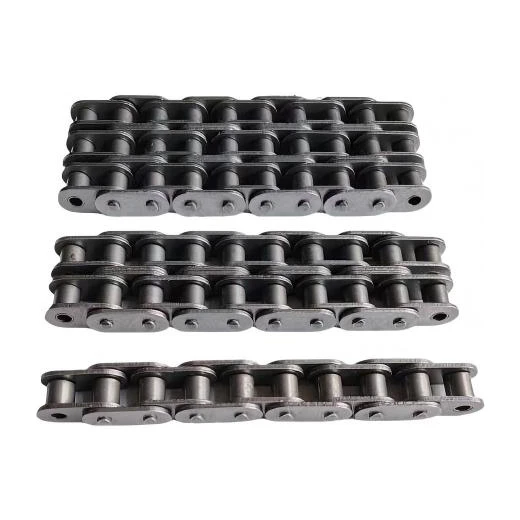
When handling conveyor chains, use proper lifting techniques to avoid back injuries. Chains can be heavy, so it is important to lift with the legs and not the back. If possible, use lifting equipment such as hoists or forklifts to move heavy chains.
During operation, keep hands and other body parts away from moving conveyor chains. Do not attempt to clean or adjust the chain while it is in motion. If cleaning or adjustment is necessary, follow the LOTO procedures to stop the conveyor and ensure that it is safe to work on.
When performing maintenance or repair work, use the correct tools and equipment. Using improper tools can not only damage the chain and other components but also increase the risk of injury. Make sure that all tools are in good condition and are used according to the manufacturer's instructions.
Specific Chain Types and Safety
Different types of conveyor chains may have specific safety considerations. For example, Multiple Strands Special Roller Chains are designed for heavy - duty applications and may require more careful handling due to their larger size and higher load - carrying capacity. When working with these chains, ensure that the support structures and sprockets are capable of handling the additional weight and stress.
Roller Chains with Straight Side Plates are commonly used in various conveyor systems. These chains should be inspected regularly for any signs of wear on the side plates, as damaged side plates can affect the chain's stability and performance.
Sharp Top Chains are often used in applications where a specific grip or traction is required. However, the sharp tops can pose a risk of injury if not handled properly. Workers should be careful when working around these chains to avoid cuts and punctures.
Emergency Preparedness
Despite all the safety precautions, emergencies can still occur. It is important to have an emergency response plan in place. The plan should include procedures for dealing with chain breakages, jams, and other malfunctions.
All workers should be familiar with the emergency stop buttons on the conveyor system and know how to use them in case of an emergency. First - aid kits should be readily available in the work area, and workers should be trained in basic first - aid procedures.
Regular emergency drills should be conducted to ensure that workers are prepared to respond quickly and effectively in case of an accident.
Conclusion
Working with conveyor chains requires strict adherence to safety precautions. By conducting pre - operation inspections, wearing appropriate PPE, following LOTO procedures, providing training and education, practicing safe work practices, considering the specific safety requirements of different chain types, and being prepared for emergencies, the risk of accidents can be significantly reduced.
As a conveyor chains supplier, we are committed to providing high - quality chains and promoting safety in the workplace. If you are interested in purchasing conveyor chains or have any questions about their safe use, we encourage you to contact us for a procurement discussion. Our team of experts is ready to assist you in finding the right conveyor chains for your specific needs and ensuring that you have all the information you need to use them safely.
References
- OSHA Conveyor Safety Standards
- Manufacturer's manuals for conveyor chains and related equipment
- Industry best practices for conveyor system safety


