

Hey there! I'm a supplier of free flow chains in the textile industry, and I've been in this game for quite a while. Over the years, I've learned a thing or two about the special requirements for free flow chains in this sector. So, I thought I'd share my insights with you all.
First off, let's talk about what free flow chains are. In simple terms, free flow chains are used in conveyor systems to move materials smoothly and efficiently. In the textile industry, these chains play a crucial role in transporting fabrics, yarns, and finished products from one stage of the production process to another.
One of the most important requirements for free flow chains in the textile industry is flexibility. Textile materials can be quite delicate, and they need to be handled with care. That's why free flow chains need to be able to bend and flex easily to accommodate the various shapes and sizes of textile products. For example, when transporting rolls of fabric, the chain needs to be able to curve around corners without causing any damage to the fabric. This is where Conveyor Chains with Side Rollers come in handy. These chains are designed with side rollers that allow them to move smoothly around curves and bends, ensuring that the textile materials are transported safely.
Another key requirement is cleanliness. The textile industry is very sensitive to contamination, and any dirt or debris on the free flow chains can cause problems. For instance, if there's dust on the chain, it can get onto the fabric and affect its quality. So, free flow chains used in the textile industry need to be easy to clean. Some chains are made with special coatings or materials that resist dirt and make them easier to wipe down. Conveyor Chains with Special Rollers often have features that help with cleanliness. These special rollers can be designed to prevent the accumulation of dirt and debris, making them a great choice for the textile industry.
Durability is also a must. Textile production is a continuous process, and the free flow chains need to be able to withstand constant use. They are exposed to various forces, such as tension and friction, which can wear them down over time. That's why high - quality materials are essential. Chains made from strong alloys or with reinforced links are more likely to last longer. Short Pitch Speed - fold Chains are known for their durability. Their short pitch design allows for a more compact and robust construction, making them suitable for the demanding environment of the textile industry.
In addition to these physical requirements, there are also some operational requirements. For example, the speed of the free flow chains needs to be adjustable. Different stages of the textile production process may require different speeds. When dyeing the fabric, a slower speed might be needed to ensure an even color distribution. On the other hand, when moving finished products to the packaging area, a faster speed can increase efficiency. So, the chains should be able to operate at a range of speeds without any issues.
Noise level is another factor. In a textile factory, there are already a lot of machines making noise. Excessively noisy free flow chains can add to the overall noise pollution, which is not only annoying for the workers but can also be a safety hazard. Chains with noise - reducing features, such as special lubricants or quiet - running designs, are highly desirable.
Now, let's talk about the environmental requirements. The textile industry is becoming more and more environmentally conscious. Free flow chains should be made in an environmentally friendly way. This means using materials that are recyclable and manufacturing processes that minimize waste and energy consumption. Some suppliers are now focusing on developing chains that have a lower carbon footprint.
When it comes to maintenance, simplicity is key. Textile manufacturers don't have a lot of time to spend on complex maintenance procedures. Free flow chains should be easy to inspect, lubricate, and replace parts if necessary. For example, chains with easily accessible pins and links make it quicker and easier to perform maintenance tasks.
As a supplier, I understand the importance of meeting these special requirements. I've been working hard to develop and supply free flow chains that are not only flexible, clean, durable, and efficient but also meet the environmental and operational needs of the textile industry.

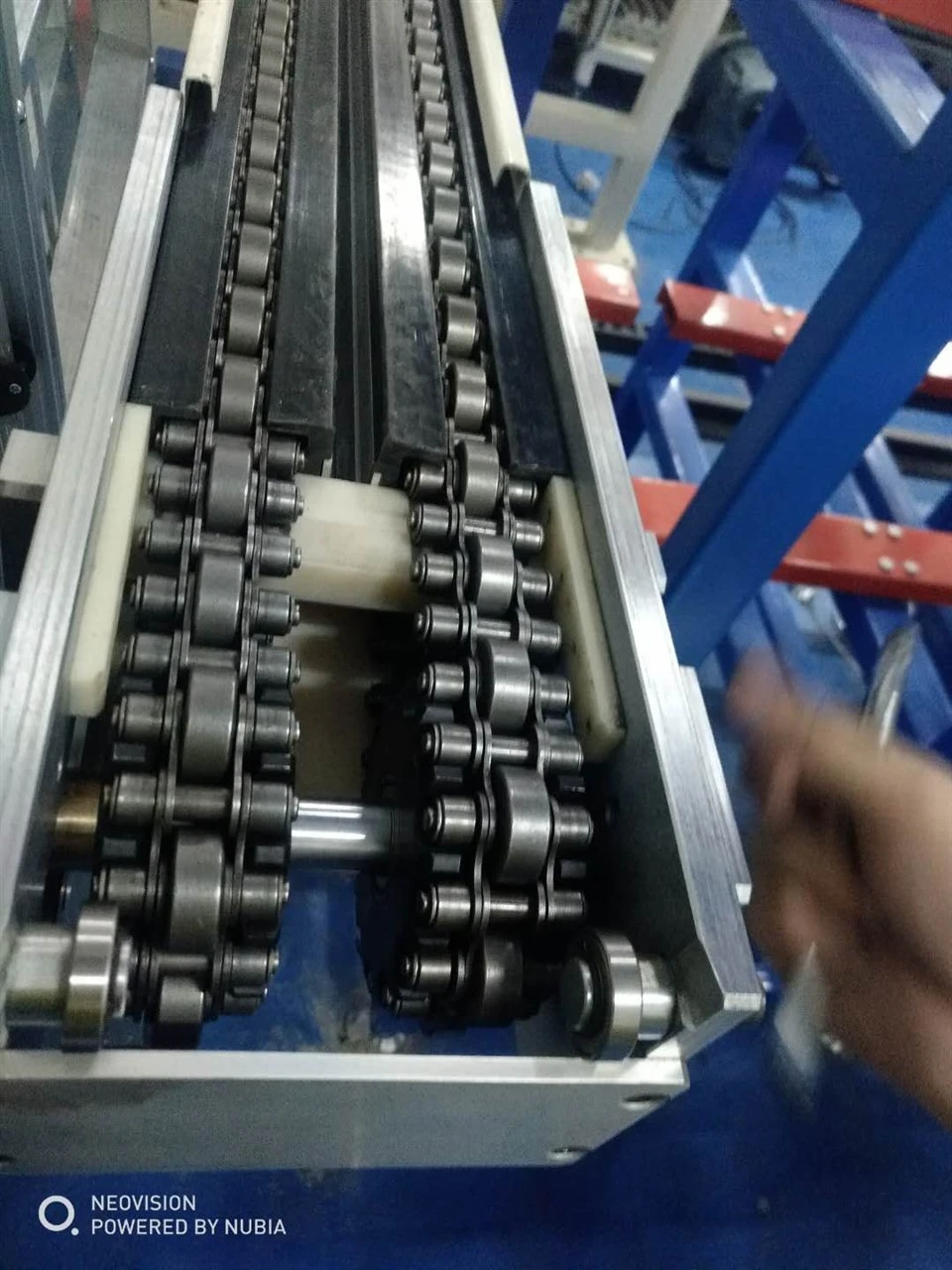
If you're in the textile industry and are looking for high - quality free flow chains that meet all these special requirements, I'd love to have a chat with you. Whether you need Conveyor Chains with Side Rollers, Conveyor Chains with Special Rollers, or Short Pitch Speed - fold Chains, I can provide you with the right solutions. Let's have a discussion about your specific needs and see how we can work together to improve your production process.
References:
- Industry reports on textile manufacturing processes
- Technical specifications of free flow chains in the market


