

Hey there! As a supplier of engineering chains, I often get asked about the weight limitations of these essential components. Engineering chains are used in a wide range of industries, from manufacturing and agriculture to mining and transportation. Understanding their weight limitations is crucial for ensuring safe and efficient operation. In this blog post, I'll dive into the factors that affect the weight capacity of engineering chains and share some insights to help you make the right choices for your applications.
Factors Affecting Weight Limitations
Chain Material and Design
The material and design of an engineering chain play a significant role in determining its weight capacity. Chains are typically made from materials such as carbon steel, alloy steel, or stainless steel, each with its own strength characteristics. Carbon steel chains are commonly used for general-purpose applications and offer a good balance of strength and cost. Alloy steel chains, on the other hand, are stronger and more resistant to wear and fatigue, making them suitable for heavy-duty applications. Stainless steel chains are corrosion-resistant and are often used in environments where cleanliness and hygiene are important, such as the food and beverage industry.
The design of the chain also affects its weight capacity. Chains with larger pitch sizes and thicker links generally have higher weight capacities than those with smaller pitch sizes and thinner links. Additionally, the shape and configuration of the chain links can impact its strength and load-bearing ability. For example, chains with offset sidebars or special attachments may have different weight limitations compared to standard chains.
Working Conditions
The working conditions in which an engineering chain operates can also affect its weight capacity. Factors such as temperature, humidity, corrosion, and abrasion can all impact the strength and durability of the chain. High temperatures can cause the chain material to lose its strength, while exposure to moisture and chemicals can lead to corrosion and rust. Abrasive materials can wear down the chain links, reducing their cross-sectional area and weakening the chain.
In addition to environmental factors, the speed and direction of the chain's movement can also affect its weight capacity. Chains that operate at high speeds or under heavy loads may experience increased stress and fatigue, which can reduce their lifespan and weight capacity. It's important to consider these factors when selecting an engineering chain for your application and to choose a chain that is designed to withstand the specific working conditions.
Installation and Maintenance
Proper installation and maintenance are essential for ensuring the safe and efficient operation of engineering chains. Incorrect installation can cause the chain to become misaligned or over-tensioned, which can lead to premature wear and failure. It's important to follow the manufacturer's installation instructions carefully and to use the correct tools and equipment.
Regular maintenance is also crucial for extending the lifespan of engineering chains and ensuring their weight capacity remains within acceptable limits. This includes lubrication, inspection, and adjustment of the chain tension. Lubrication helps to reduce friction and wear between the chain links, while inspection allows you to identify any signs of damage or wear early on. Adjusting the chain tension ensures that the chain is operating under the correct load and reduces the risk of chain failure.
Weight Limitations of Different Types of Engineering Chains
Conveyor Chains
Conveyor chains are used to transport materials in a variety of industries, including manufacturing, food processing, and logistics. The weight limitations of conveyor chains depend on several factors, including the chain material, design, and working conditions. For example, Conveyor Chains for Spraying Equipment are typically designed to handle lighter loads and operate at lower speeds, while conveyor chains used in heavy-duty applications such as mining and construction may have much higher weight capacities.

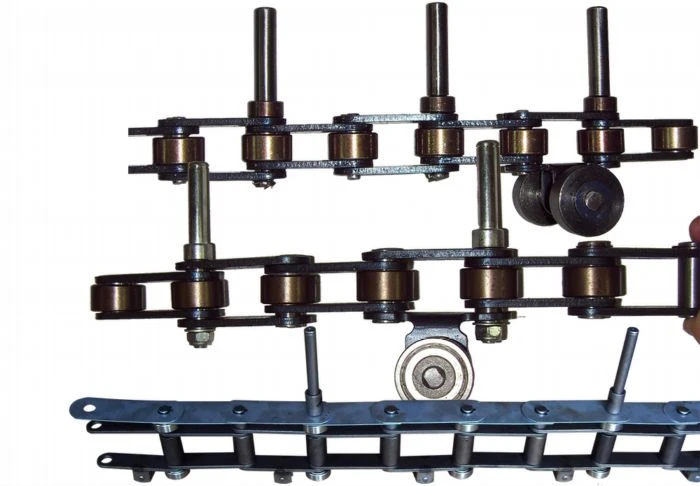
Tobacco Conveyor Chains and Drying Line Conveyor Chains
Tobacco conveyor chains and drying line conveyor chains are specialized types of conveyor chains used in the tobacco industry. These chains are designed to withstand the harsh conditions of tobacco processing, including high temperatures, humidity, and abrasive materials. Tobacco Conveyor Chains and Drying Line Conveyor Chains are typically made from high-strength alloy steel and have a special coating to protect against corrosion and wear. The weight limitations of these chains depend on the specific design and application requirements.
Conveyor Chains for Cuttings Bed
Conveyor chains for cuttings bed are used in the oil and gas industry to transport drill cuttings from the wellbore to the surface. These chains are designed to handle heavy loads and operate in harsh environments, including high temperatures, pressure, and abrasive materials. Conveyor Chains for Cuttings Bed are typically made from high-strength alloy steel and have a special design to prevent clogging and ensure efficient operation. The weight limitations of these chains depend on the size and configuration of the cuttings bed and the specific requirements of the drilling operation.
Choosing the Right Engineering Chain for Your Application
When choosing an engineering chain for your application, it's important to consider the weight limitations of the chain as well as the other factors discussed above. Here are some tips to help you make the right choice:
- Determine the Load Requirements: Calculate the maximum weight that the chain will need to carry, including the weight of the materials being transported and any additional loads such as the weight of the conveyor or other equipment.
- Consider the Working Conditions: Evaluate the environmental conditions in which the chain will operate, including temperature, humidity, corrosion, and abrasion. Choose a chain material and design that is suitable for these conditions.
- Select the Right Chain Type: There are many different types of engineering chains available, each with its own weight limitations and design features. Choose a chain type that is appropriate for your application, such as a conveyor chain, roller chain, or silent chain.
- Follow the Manufacturer's Recommendations: Always follow the manufacturer's recommendations for installation, maintenance, and operation of the chain. This will help to ensure the safe and efficient operation of the chain and extend its lifespan.
Conclusion
In conclusion, the weight limitations of engineering chains are determined by a variety of factors, including the chain material, design, working conditions, and installation and maintenance. Understanding these factors is crucial for ensuring the safe and efficient operation of engineering chains in a wide range of applications. By choosing the right chain for your application and following the manufacturer's recommendations, you can ensure that your chain operates within its weight limitations and provides reliable performance for years to come.
If you're in the market for engineering chains and have questions about weight limitations or any other aspect of chain selection, don't hesitate to reach out. We're here to help you find the perfect chain solution for your needs. Whether you're looking for Conveyor Chains for Spraying Equipment, Tobacco Conveyor Chains and Drying Line Conveyor Chains, or Conveyor Chains for Cuttings Bed, we've got you covered. Let's start a conversation and get you the chains you need for your operation.
References
- "Engineering Chain Handbook" by Chain Manufacturers Institute
- "Power Transmission Handbook" by John J. Burke
- Industry standards and guidelines for engineering chains


