

Hey there! As a supplier of Hollow Pin Chains, I've been getting a lot of questions lately about the influence of chain flexibility on the installation of these chains. So, I thought I'd take a few minutes to break it down for you.

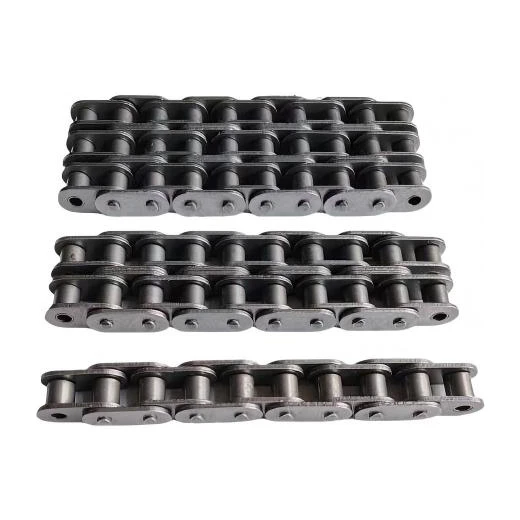
First off, let's talk about what chain flexibility actually means. In simple terms, chain flexibility refers to how easily a chain can bend or flex. This is an important factor to consider when installing hollow pin chains because it can have a big impact on how well the chain performs and how long it lasts.
One of the main benefits of having a flexible hollow pin chain is that it can adapt to different installation environments. For example, if you're installing the chain in a tight space or around a curve, a flexible chain will be able to bend and conform to the shape of the area without putting too much stress on the links. This can help prevent the chain from breaking or getting damaged during installation, which can save you time and money in the long run.
On the other hand, if you try to install a rigid chain in a situation where it needs to bend or flex, you're likely to run into problems. The chain may not fit properly, which can cause it to rub against other parts of the machinery and wear down more quickly. It may also put extra stress on the links, which can lead to premature failure.
Another advantage of a flexible hollow pin chain is that it can reduce vibration and noise during operation. When a chain is too rigid, it can create a lot of vibration as it moves through the machinery. This vibration can not only be annoying, but it can also cause damage to the chain and other components over time. A flexible chain, on the other hand, can absorb some of the vibration and reduce the amount of noise generated.
So, how do you choose the right level of flexibility for your hollow pin chain? Well, it really depends on the specific application. If you're installing the chain in a straight line and there are no curves or tight spaces, a less flexible chain may be sufficient. However, if you need the chain to bend or flex around corners or through tight spaces, you'll want to choose a more flexible chain.
It's also important to consider the load that the chain will be carrying. If the chain is going to be under a lot of stress, you may need a more flexible chain to help distribute the load evenly and prevent the links from breaking. On the other hand, if the load is relatively light, a less flexible chain may be adequate.
When it comes to installing a flexible hollow pin chain, there are a few things to keep in mind. First, make sure you have the right tools for the job. You'll need a chain breaker to remove and install the links, as well as a torque wrench to tighten the pins to the correct specification.
It's also important to follow the manufacturer's instructions carefully. Make sure you're installing the chain in the correct direction and that all the links are properly aligned. If you're not sure how to install the chain, don't hesitate to ask for help. There are plenty of resources available online, including videos and tutorials, that can walk you through the process step by step.
Once the chain is installed, it's a good idea to perform a test run to make sure everything is working properly. Check for any signs of wear or damage, and make sure the chain is moving smoothly through the machinery. If you notice any problems, stop the machinery immediately and address the issue before continuing.
In addition to the benefits of flexibility, there are other factors to consider when choosing a hollow pin chain. For example, you'll want to look at the material the chain is made from. Different materials have different properties, such as strength, durability, and resistance to corrosion. You'll also want to consider the size and pitch of the chain, as well as the number of links.
If you're in the market for a hollow pin chain, I'd like to mention a few other types of chains that we offer. We have Roller Chains with Straight Side Plates, which are great for applications where you need a strong and reliable chain. We also have Sharp Top Chains, which are designed for use in high-speed applications. And if you're looking for a chain that can handle a large load, our Double Pitch Conveyor Chains are a great option.
So, there you have it! That's a brief overview of the influence of chain flexibility on the installation of hollow pin chains. I hope this information has been helpful to you. If you have any questions or if you're interested in purchasing a hollow pin chain or any of our other products, please don't hesitate to reach out. We're here to help you find the right solution for your needs.
References:
- Manufacturer's guides on hollow pin chain installation and usage.
- Industry standards and best practices for chain selection and installation.


