

Yo, folks! I'm a supplier of Sharp Top Chains, and today I wanna talk about the operating temperature range of these bad boys.

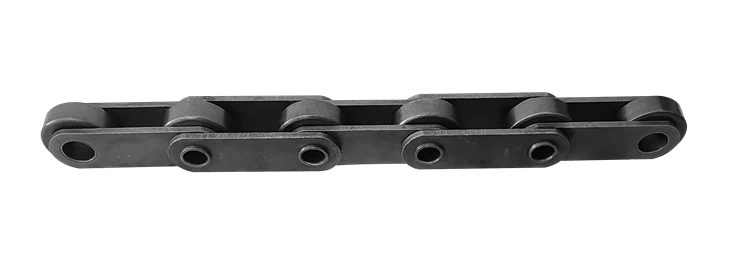
First off, let me give you a bit of background on Sharp Top Chains. Sharp Top Chains are pretty versatile and are used in a whole bunch of conveyor applications. They're designed to be tough and reliable, which is why they're a popular choice in many industries. You can check out more about them here: Sharp Top Chains
So, what's the deal with the operating temperature range? Well, it's a crucial factor to consider when you're using Sharp Top Chains because extreme temperatures can really have an impact on how they perform.
The general operating temperature range for Sharp Top Chains usually falls between -20°C and 100°C. Yup, that's a decent range that covers a variety of working environments. But why this specific range? Let's break it down.
Low - Temperature Side
When the temperature drops below the lower limit, say, below -20°C, several things can go wrong. Metals become more brittle in cold temperatures. The chain's components, like the pins and links, are made of metal, and as the mercury dips, there's a higher risk of them cracking or breaking under stress. Think about it like trying to bend a frozen stick; it's gonna snap easily.
Another issue at low temperatures is the lubrication. Most lubricants thicken up when it's cold, and if the chain isn't properly lubricated with a cold - resistant lubricant, the friction between the moving parts will increase. This not only makes the chain less efficient but also wears it out faster. Chains are designed to move smoothly, but when the lubricant isn't doing its job, it's like trying to run with sand in your shoes.
High - Temperature Side
On the flip side, when the temperature goes above 100°C, we've got a different set of problems. High temperatures can cause the lubricant to break down. You know how some candles melt really fast when they're near a hot source? Well, the same thing happens to the lubricant on the chain. Without proper lubrication, the friction between the chain links increases, leading to excessive wear and tear.
Also, at high temperatures, the metal in the chain can start to expand. This expansion can throw off the chain's alignment and tension. If the chain isn't adjusted properly, it can start to skip or even come off the sprockets. It's like trying to fit a stretched - out rubber band around a small object; it just won't work right.
Now, it's important to note that these are the normal operating temperature ranges. But, depending on the specific material and manufacturing process of the Sharp Top Chains, there might be some variations. For instance, if the chain is made with special alloys that can withstand higher temperatures, it might be able to operate at slightly higher temperatures than the standard 100°C.
If you're working in an environment with extreme temperatures, you've got a few options. For low - temperature environments, you can use cold - resistant lubricants. These are specifically formulated to stay fluid even in freezing conditions, ensuring that the chain keeps running smoothly.
In high - temperature scenarios, you might want to consider using chains with heat - resistant coatings. These coatings can help protect the chain from the harsh effects of high heat. You can also think about adding cooling systems to your conveyor setup to keep the chain within a safe temperature range.
Comparing with Other Chain Types
Sharp Top Chains aren't the only players in the game. There are other chains like Hollow Pin Chains and Metric Long Pitch Conveyor Chains. Each of these chains has its own operating temperature ranges, too.
Hollow Pin Chains are often used in light - duty applications where the temperature requirements aren't as extreme. Their operating temperature range is generally similar to that of Sharp Top Chains, but they might not be as tough when it comes to really high or low temperatures.
Metric Long Pitch Conveyor Chains are designed for heavier loads and are often used in more industrial settings. They can usually handle a wider temperature range, especially on the high - temperature side. This is because they're built with stronger materials and more robust designs.
Choosing the Right Chain for Your Temperature Needs
When you're deciding which chain to use, the operating temperature of your work environment is a huge factor. If you're working in a freezer where the temperature is regularly below -20°C, you might need to think twice about using a standard Sharp Top Chain. Instead, look for one that's been specially treated or made with cold - resistant materials.
On the other hand, if you're in a foundry where the heat can reach well above 100°C, a chain with a higher temperature tolerance, like some of the Metric Long Pitch Conveyor Chains, might be a better choice.
It's also a good idea to consult with experts in the field. As a supplier, I've seen firsthand how picking the wrong chain can lead to all sorts of problems, from equipment breakdowns to production delays. So, if you're not sure which chain is right for your temperature needs, don't hesitate to ask for advice.
Conclusion and Call to Action
So, there you have it, the lowdown on the operating temperature range of Sharp Top Chains. I hope this info has been helpful to you. Whether you're setting up a new conveyor system or looking to replace an old chain, understanding the temperature requirements is crucial for getting the most out of your equipment.
If you're in the market for Sharp Top Chains or any other conveyor chains, I'd love to chat with you. As a supplier, I've got access to a wide range of chains with different temperature tolerances. I can help you find the perfect chain for your specific application. Contact me, and we can start discussing your needs and come up with the best solution for you.
References
- Industry knowledge and experience as a Sharp Top Chains supplier
- General understanding of conveyor chain technology


