

When it comes to conveyor chains, one of the most common questions we get from potential customers is about the price range. As a leading conveyor chains supplier, we understand that cost is a significant factor in your purchasing decision. In this blog post, we'll delve into the various factors that influence the price of conveyor chains and provide you with a general idea of the price ranges you can expect.
Factors Affecting the Price of Conveyor Chains
1. Chain Type
There are several types of conveyor chains available in the market, each designed for specific applications. Some of the common types include Double Pitch Conveyor Chains, Metric Long Pitch Conveyor Chains, and Roller Chains with Straight Side Plates.
Double pitch conveyor chains are often used in light to medium-duty applications where high speed is not required. They are generally more affordable compared to other types due to their simpler design and lower material requirements. Metric long pitch conveyor chains, on the other hand, are designed for heavy-duty applications and are made from high-quality materials, which can drive up the price. Roller chains with straight side plates are known for their durability and strength, and they are commonly used in industrial settings. The price of these chains can vary depending on the size, material, and manufacturing process.
2. Material
The material used to manufacture the conveyor chain has a significant impact on its price. Common materials include carbon steel, stainless steel, and plastic. Carbon steel is the most widely used material due to its affordability and good strength. However, it is prone to corrosion, especially in harsh environments. Stainless steel, on the other hand, is highly resistant to corrosion and is suitable for applications where hygiene is a concern, such as the food and beverage industry. Plastic chains are lightweight, corrosion-resistant, and quiet, but they may not be as strong as metal chains and are typically used in low-load applications.
3. Size and Dimensions
The size and dimensions of the conveyor chain also play a role in determining its price. Larger chains generally require more material and more complex manufacturing processes, which can increase the cost. Additionally, chains with special dimensions or custom designs may be more expensive due to the additional engineering and production requirements.
4. Quality and Brand
The quality and brand of the conveyor chain can also affect its price. Well-known brands often command a higher price due to their reputation for quality and reliability. However, it's important to note that not all expensive chains are necessarily of higher quality. It's essential to do your research and choose a chain that meets your specific requirements and budget.
Price Range of Conveyor Chains
Based on our experience as a conveyor chains supplier, the price range of conveyor chains can vary widely depending on the factors mentioned above. Here is a general overview of the price ranges you can expect:
1. Low-End Conveyor Chains
Low-end conveyor chains are typically made from carbon steel and are designed for light-duty applications. These chains are often used in small-scale industries or for non-critical applications where cost is a major concern. The price of low-end conveyor chains can range from $10 to $50 per foot, depending on the size and type.
2. Mid-Range Conveyor Chains
Mid-range conveyor chains are made from higher-quality materials and are suitable for medium-duty applications. These chains are commonly used in industries such as automotive, packaging, and food processing. The price of mid-range conveyor chains can range from $50 to $150 per foot, depending on the material, size, and brand.
3. High-End Conveyor Chains
High-end conveyor chains are made from premium materials and are designed for heavy-duty applications. These chains are often used in industries such as mining, construction, and aerospace. The price of high-end conveyor chains can range from $150 to $500 per foot or more, depending on the material, size, and custom features.
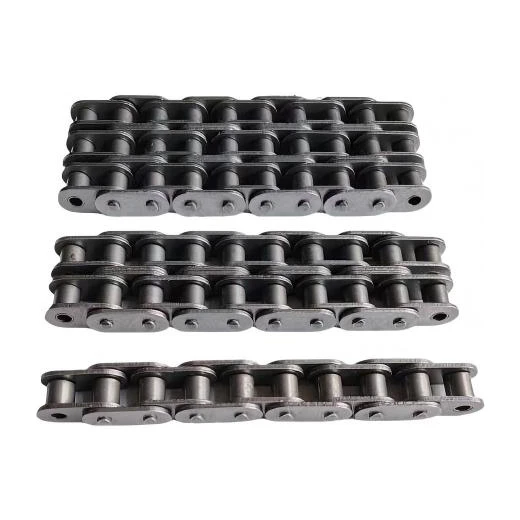

It's important to note that these price ranges are just estimates and can vary depending on the specific requirements of your application. Additionally, the price of conveyor chains may also be affected by factors such as market demand, supply chain disruptions, and currency fluctuations.
How to Choose the Right Conveyor Chain for Your Application
When choosing a conveyor chain for your application, it's important to consider the following factors:
1. Application Requirements
The first step is to determine the specific requirements of your application, such as the load capacity, speed, temperature, and environment. This will help you choose a chain that is suitable for your needs.
2. Budget
Your budget is also an important consideration. While it's important to choose a high-quality chain, you also need to make sure that it fits within your budget. Consider the long-term costs of the chain, including maintenance and replacement, when making your decision.
3. Quality and Reliability
Choose a chain from a reputable supplier that offers high-quality products and reliable customer service. Look for chains that are tested and certified to meet industry standards.
4. Customization
If your application requires a custom-designed chain, look for a supplier that offers customization services. This will ensure that the chain meets your specific requirements and performs optimally in your application.
Contact Us for Conveyor Chain Purchasing
If you're in the market for conveyor chains, we'd be happy to help you find the right solution for your application. As a leading conveyor chains supplier, we offer a wide range of chains in various types, materials, and sizes to meet your specific needs. Our team of experts can provide you with detailed information about our products, including pricing, specifications, and installation instructions.
Whether you're looking for a low-cost chain for a light-duty application or a high-performance chain for a heavy-duty industrial setting, we have the expertise and resources to help you make the right choice. Contact us today to discuss your requirements and get a free quote. We look forward to working with you to find the perfect conveyor chain solution for your business.
References
- "Conveyor Chain Handbook," published by the Conveyor Equipment Manufacturers Association (CEMA).
- "Industrial Chain and Sprocket Handbook," published by the American Chain Association (ACA).
- "Materials Science and Engineering: An Introduction," by William D. Callister Jr. and David G. Rethwisch.


