

Do hollow pin chains need to be calibrated regularly? This is a question that many of our customers often ask. As a leading supplier of hollow pin chains, I'd like to delve into this topic and provide you with a comprehensive answer.
Understanding Hollow Pin Chains
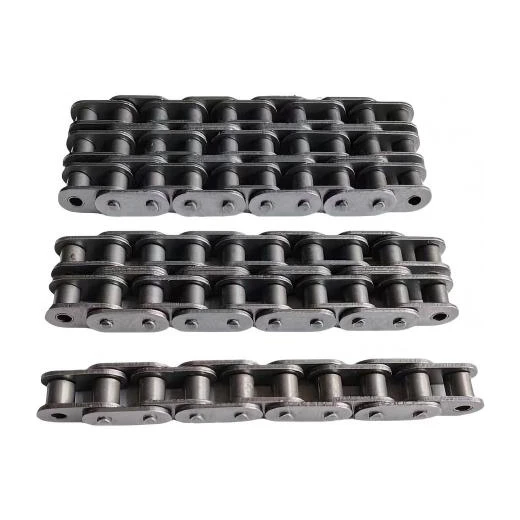
Hollow pin chains are a specialized type of chain that features hollow pins instead of solid ones. These hollow pins offer several advantages, such as the ability to easily attach various components like attachments, fixtures, or sensors. They are widely used in a variety of industries, including automotive, food processing, packaging, and material handling.
The design of hollow pin chains allows for flexibility in customization, making them suitable for a wide range of applications. For example, in conveyor systems, hollow pin chains can be used to transport products smoothly and efficiently. They can also be used in indexing mechanisms, where precise positioning is required.
The Importance of Calibration
Calibration is the process of adjusting and verifying the accuracy of a measuring instrument or a mechanical device. In the context of hollow pin chains, calibration refers to ensuring that the chain's pitch, tension, and alignment are within the specified tolerances.
Regular calibration of hollow pin chains is crucial for several reasons. Firstly, it ensures the proper functioning of the chain. A chain that is not calibrated correctly may experience issues such as excessive wear, noise, and vibration. These problems can lead to premature failure of the chain and other components in the system, resulting in costly downtime and repairs.

Secondly, calibration helps to maintain the accuracy of the system. In applications where precise positioning is required, such as in automated manufacturing processes, a small deviation in the chain's pitch or alignment can have a significant impact on the quality of the final product. By calibrating the chain regularly, you can ensure that the system operates with the highest level of accuracy.
Finally, calibration is essential for safety. A poorly calibrated chain can pose a safety risk to operators and other personnel in the vicinity. For example, a chain that is too loose may come off the sprocket, causing damage to the equipment and potentially injuring someone. By keeping the chain properly calibrated, you can minimize the risk of accidents and ensure a safe working environment.
Factors Affecting the Need for Calibration
The frequency of calibration for hollow pin chains depends on several factors. These include the application, the operating conditions, and the quality of the chain.
- Application: Different applications have different requirements for chain accuracy. For example, in a high-speed conveyor system, the chain needs to be calibrated more frequently than in a low-speed application. This is because the higher the speed, the greater the forces acting on the chain, which can cause it to stretch and wear more quickly.
- Operating Conditions: The operating conditions also play a significant role in determining the calibration frequency. Chains that operate in harsh environments, such as those exposed to high temperatures, humidity, or abrasive materials, are more likely to experience wear and tear and may need to be calibrated more often. Additionally, chains that are subjected to heavy loads or frequent starts and stops may also require more frequent calibration.
- Quality of the Chain: The quality of the chain itself can affect the calibration frequency. High-quality chains are typically made from better materials and are manufactured to more precise tolerances. As a result, they are less likely to experience wear and tear and may not need to be calibrated as often as lower-quality chains.
How to Calibrate Hollow Pin Chains
Calibrating hollow pin chains involves several steps. Here is a general guide on how to calibrate a hollow pin chain:
- Inspect the Chain: Before calibrating the chain, it is important to inspect it for any signs of wear, damage, or misalignment. Look for worn pins, links, or sprockets, and check for any signs of stretching or deformation.
- Measure the Pitch: The pitch of the chain is the distance between the centers of two adjacent pins. Use a caliper or a pitch gauge to measure the pitch of the chain at several points along its length. Compare the measured pitch with the specified pitch for the chain. If the measured pitch is outside the specified tolerance, the chain may need to be adjusted or replaced.
- Check the Tension: The tension of the chain is also an important factor to consider. A chain that is too loose or too tight can cause problems such as excessive wear, noise, and vibration. Use a tension gauge to measure the tension of the chain and adjust it as needed.
- Align the Chain: Proper alignment of the chain is essential for its smooth operation. Check the alignment of the chain with the sprockets and make sure that it is running straight. If the chain is misaligned, it can cause uneven wear on the sprockets and the chain itself.
- Lubricate the Chain: Lubrication is important for reducing friction and wear on the chain. Apply a suitable lubricant to the chain according to the manufacturer's recommendations.
Our Product Range
In addition to hollow pin chains, we also offer a wide range of other conveyor chains, including Roller Chains with Straight Side Plates, Sharp Top Chains, and Steel Widened Chains. These chains are designed to meet the specific needs of different applications and industries.
Our roller chains with straight side plates are known for their high strength and durability. They are suitable for a variety of conveyor applications, including heavy-duty and high-speed systems. Our sharp top chains are designed for applications where products need to be transported at an angle or on a curved path. They feature a unique sharp top design that provides excellent grip and stability. Our steel widened chains are ideal for applications where a wider chain is required to support heavier loads.
Conclusion
In conclusion, hollow pin chains do need to be calibrated regularly to ensure their proper functioning, accuracy, and safety. The frequency of calibration depends on several factors, including the application, the operating conditions, and the quality of the chain. By following the proper calibration procedures and using high-quality chains, you can extend the lifespan of your chain and minimize the risk of downtime and repairs.
If you are interested in purchasing hollow pin chains or any of our other conveyor chains, please feel free to contact us. Our team of experts is ready to assist you in finding the right chain for your application and providing you with the best possible service.
References
- "Conveyor Chain Handbook", published by the Conveyor Equipment Manufacturers Association (CEMA).
- "Chain Drives: Selection, Installation, and Maintenance", published by the American Chain Association (ACA).


