

Hey there! As a conveyor chains supplier, I've been involved in the design of conveyor chain systems for quite a while. Designing a conveyor chain system is a multi - step process that requires careful planning and consideration. Let's break it down step by step.
Step 1: Define the Application Requirements
The very first thing you gotta do is understand what the conveyor chain system is going to be used for. You need to figure out what kind of materials it'll be transporting. Is it heavy - duty stuff like metal parts or light items such as plastic containers? The weight, size, and shape of the materials are crucial factors.
For example, if you're dealing with large and heavy items, you'll need a more robust chain that can handle the load. On the other hand, if it's small and light products, a lighter - duty chain might do the job. Also, think about the environment where the conveyor will be operating. Is it a clean and dry area, or is it a harsh environment with chemicals, high temperatures, or moisture? These conditions can greatly affect the choice of chain material and design.
Step 2: Determine the Conveyor Layout
Once you know what the system is for, it's time to plan the layout. You need to decide on the length and width of the conveyor. Consider the available space in the facility. You don't want the conveyor to be too long or too wide that it doesn't fit properly.
Also, think about the path the conveyor will take. Will it be a straight line, or will it have curves and bends? If there are curves, you'll need to use special chains that can handle the turning. For instance, Double Pitch Conveyor Chains are great for some conveyor layouts, especially when you need a more flexible and cost - effective solution.
Step 3: Calculate the Chain Speed and Capacity
Figuring out the chain speed is important for the efficiency of the system. You need to know how fast the chain should move to meet the production requirements. If the chain moves too slowly, it might not be able to keep up with the demand. If it moves too fast, it could cause problems like product damage or chain wear.
To calculate the chain speed, you need to consider the number of items to be transported per unit of time and the distance between each item. The capacity of the conveyor is also related to the chain speed. You need to make sure the chain can carry the required amount of materials without overloading.
Step 4: Select the Chain Type
There are various types of conveyor chains available, and choosing the right one is crucial. You've got your standard roller chains, but there are also specialized chains for different applications.
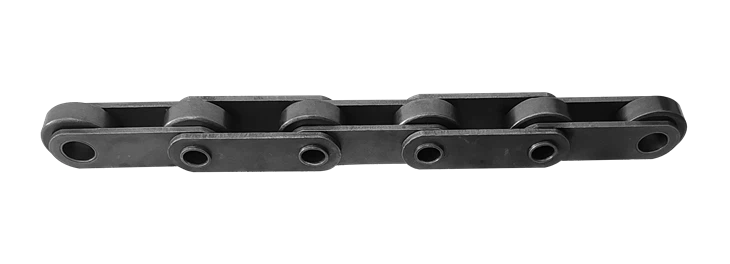
Multiple Strands Special Roller Chains are a good option when you need to carry heavier loads. They have multiple rows of rollers, which distribute the load more evenly. Hollow Pin Chains are useful when you need to attach accessories like flights or carriers to the chain. The hollow pins allow for easy attachment of these additional components.
When selecting the chain type, also consider the chain material. Common materials include steel, stainless steel, and plastic. Steel chains are strong and durable, making them suitable for heavy - duty applications. Stainless steel chains are resistant to corrosion, so they're great for use in wet or corrosive environments. Plastic chains are lightweight and can be a good choice for light - duty applications or in areas where noise reduction is important.
Step 5: Design the Sprockets
Sprockets are an essential part of the conveyor chain system. They are used to drive the chain and keep it in place. You need to design the sprockets based on the chain type and the conveyor layout.
The number of teeth on the sprockets affects the chain speed and the smoothness of the operation. A sprocket with more teeth generally provides a smoother movement of the chain. Also, make sure the sprockets are properly aligned with the chain to prevent excessive wear and tear.
Step 6: Consider the Tensioning System
A proper tensioning system is necessary to keep the chain tight and prevent it from slipping. There are different types of tensioning methods, such as manual tensioning and automatic tensioning.
Manual tensioning requires regular adjustment by an operator. It's a simple and cost - effective method but requires more maintenance. Automatic tensioning systems, on the other hand, adjust the tension automatically as the chain stretches over time. This reduces the need for frequent manual adjustments and helps to ensure consistent performance.
Step 7: Plan for Lubrication and Maintenance
Lubrication is key to the longevity of the conveyor chain. It reduces friction between the chain links and the sprockets, which in turn reduces wear and tear. You need to choose the right lubricant based on the chain material and the operating environment.
In addition to lubrication, regular maintenance is essential. This includes inspecting the chain for any signs of damage, such as broken links or excessive wear. You should also check the sprockets and the tensioning system regularly to make sure they're in good working condition.

Step 8: Safety Considerations
Safety should always be a top priority when designing a conveyor chain system. You need to install safety guards around the moving parts of the conveyor to prevent accidental contact. Also, make sure there are emergency stop buttons easily accessible in case of an emergency.
Provide proper training to the operators on how to use the conveyor safely. They should know how to start and stop the system, how to perform basic maintenance, and what to do in case of a problem.
Step 9: Testing and Optimization
Once the conveyor chain system is installed, it's time to test it. Run the system with a small load first to make sure everything is working properly. Check for any abnormal noises, vibrations, or chain movements.
If you notice any issues, make the necessary adjustments. You might need to change the chain tension, adjust the sprocket alignment, or change the lubrication schedule. Keep testing and optimizing the system until it meets all the requirements and operates smoothly.
Conclusion
Designing a conveyor chain system is a complex but rewarding process. By following these steps, you can ensure that you end up with a system that is efficient, reliable, and safe.
If you're in the market for conveyor chains or need help with designing a conveyor chain system, don't hesitate to reach out. We're here to assist you with all your conveyor chain needs. Whether you need advice on chain selection, layout design, or maintenance, we've got the expertise to help you make the right choices.
References
- Conveyor Chain Handbook, Industry Standard Publication
- Engineering Manuals on Material Handling Equipment
- Technical Papers on Conveyor Chain Design and Performance


