

As a leading supplier of Hollow Pin Chains, I'm often asked about the surface treatment of these essential components. In this blog post, I'll delve into the various surface treatment methods for hollow pin chains, their benefits, and how they can enhance the performance and longevity of the chains.
Understanding Hollow Pin Chains
Before we explore the surface treatment options, let's briefly understand what hollow pin chains are. Hollow pin chains are a type of roller chain with hollow pins instead of solid ones. These hollow pins allow for easy attachment of accessories such as flights, tabs, or other custom attachments, making them ideal for a wide range of applications in industries like food processing, packaging, and material handling.
Hollow pin chains are available in different sizes and configurations to suit various requirements. They are known for their flexibility, strength, and durability, making them a popular choice for conveying systems. To learn more about our Hollow Pin Chains, visit Hollow Pin Chains.
Importance of Surface Treatment
The surface treatment of hollow pin chains plays a crucial role in enhancing their performance and durability. It can protect the chains from corrosion, wear, and other environmental factors, ensuring smooth operation and reducing maintenance costs. Additionally, surface treatment can improve the aesthetic appeal of the chains, making them suitable for applications where appearance matters.
Common Surface Treatment Methods
1. Zinc Plating
Zinc plating is one of the most common surface treatment methods for hollow pin chains. It involves depositing a thin layer of zinc onto the surface of the chain through an electroplating process. Zinc plating provides excellent corrosion resistance, especially in indoor environments with low humidity. It also offers a relatively low-cost solution for protecting the chains from rust and oxidation.
The zinc layer acts as a sacrificial anode, meaning it corrodes preferentially to the underlying steel, protecting the chain from damage. Zinc-plated chains are commonly used in general industrial applications, such as conveyor systems in warehouses and factories.
2. Nickel Plating
Nickel plating is another popular surface treatment option for hollow pin chains. It provides a hard, smooth surface that is resistant to wear, corrosion, and abrasion. Nickel-plated chains are often used in applications where high levels of cleanliness and hygiene are required, such as the food and beverage industry.
Nickel plating also offers excellent adhesion, making it suitable for chains that are subjected to high stress and frequent movement. Additionally, nickel-plated chains have a bright, shiny appearance, which can enhance the overall aesthetic of the conveying system.
3. Black Oxide Coating
Black oxide coating is a chemical conversion coating that forms a thin, black layer on the surface of the chain. It provides moderate corrosion resistance and a matte finish, which can be beneficial in applications where glare and reflection need to be minimized.
Black oxide coating also improves the lubricity of the chain, reducing friction and wear. It is commonly used in applications where the chain needs to operate in a dry or low-lubrication environment, such as in some automotive and aerospace applications.
4. Powder Coating
Powder coating is a process in which a dry powder is applied to the surface of the chain and then cured under heat to form a hard, durable finish. Powder coating offers excellent corrosion resistance, as well as a wide range of color options, allowing for customization to match the specific requirements of the application.
Powder-coated chains are commonly used in outdoor applications, such as agricultural equipment and construction machinery, where they are exposed to harsh environmental conditions. The powder coating provides a protective barrier against moisture, UV rays, and chemicals, ensuring long-lasting performance.
5. Hot-Dip Galvanizing
Hot-dip galvanizing is a more intensive surface treatment method that involves immersing the chain in a bath of molten zinc. This process creates a thick, durable zinc coating that provides superior corrosion resistance, especially in harsh outdoor environments or applications where the chain is exposed to saltwater or other corrosive substances.
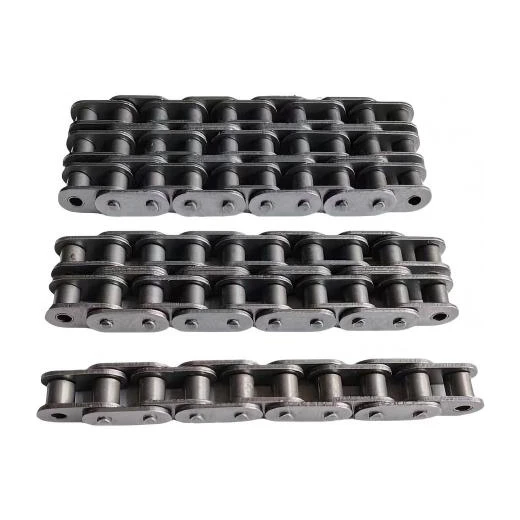

Hot-dip galvanized chains are commonly used in marine applications, such as fishing boats and offshore platforms, as well as in construction and infrastructure projects. The thick zinc coating provides long-term protection against rust and corrosion, ensuring the chain's reliability and longevity.
Choosing the Right Surface Treatment
When choosing a surface treatment for hollow pin chains, several factors need to be considered, including the application environment, the level of corrosion resistance required, the operating conditions, and the budget. Here are some guidelines to help you make the right choice:
- Application Environment: If the chain will be used in an indoor environment with low humidity, zinc plating or black oxide coating may be sufficient. For outdoor applications or environments with high humidity or exposure to corrosive substances, hot-dip galvanizing or powder coating may be more appropriate.
- Corrosion Resistance: Consider the level of corrosion resistance required based on the specific application. If the chain will be exposed to saltwater or other highly corrosive substances, hot-dip galvanizing or nickel plating may be necessary.
- Operating Conditions: If the chain will be subjected to high stress, frequent movement, or abrasive materials, a surface treatment that offers good wear resistance, such as nickel plating or powder coating, may be required.
- Budget: Surface treatment costs can vary depending on the method used. Zinc plating is generally the most cost-effective option, while hot-dip galvanizing and nickel plating are more expensive. Consider your budget when choosing a surface treatment method.
Other Types of Chains and Their Applications
In addition to hollow pin chains, we also offer a wide range of other conveyor chains, including Sharp Top Chains and Roller Chains with Straight Side Plates.
Sharp top chains are designed with sharp teeth on the top surface, which allows them to grip and convey irregularly shaped objects, such as bottles and cans. They are commonly used in the beverage and packaging industries.
Roller chains with straight side plates are a versatile type of chain that is suitable for a wide range of applications, including power transmission and material handling. They are known for their high strength, durability, and smooth operation.
Conclusion
The surface treatment of hollow pin chains is an important consideration for ensuring their performance, durability, and longevity. By choosing the right surface treatment method based on the application environment, corrosion resistance requirements, operating conditions, and budget, you can protect your chains from damage and reduce maintenance costs.
As a supplier of high-quality hollow pin chains and other conveyor chains, we are committed to providing our customers with the best products and services. If you have any questions about surface treatment or need help choosing the right chain for your application, please don't hesitate to contact us. We look forward to working with you to meet your conveying needs.
References
- ASME B29.1 - Roller Chains, Attachments, and Sprockets
- ISO 606 - Roller chains and chain wheels - Dimensions, speeds and powers


